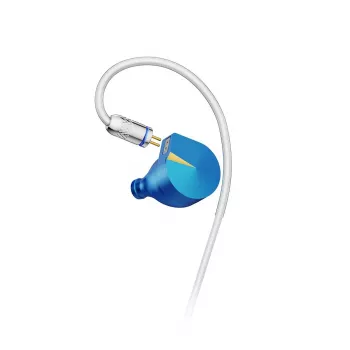
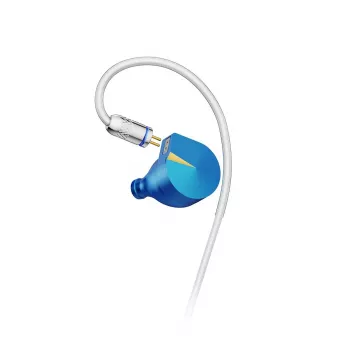
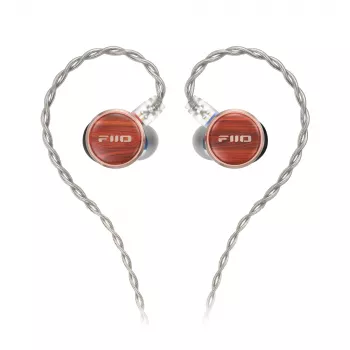
Planar diaphragm in-ear monitors are known for fast transient response, low distortion, and a clean, layered presentation that suits everything from acoustic recordings to modern electronic mixes. This model pairs a planar driver with a rigid CNC-machined metal shell and a detachable cable for long-term serviceability and easy upgrades—ideal for listeners who want detail and control in a compact, everyday-carry format. For more guidance, see FiiO EX1 Nanotech Titanium Diaphragm In-Ear Monitors – Reviews.
Planar drivers use a thin diaphragm driven more evenly across its surface than many traditional dynamic drivers. That “even push” can help reduce diaphragm breakup, keeping notes well defined and minimizing grain when mixes get busy. If you like hearing the edges of a snare hit, the texture of a bass pluck, or the subtle reverb tails in a live recording, planar tuning often makes those micro-details easier to follow. For further reading, see Sendy Audio Launches Apollo PRO Planar Magnetic Headphones.
Another hallmark is quick attack and decay. Percussion tends to sound tight and controlled, with cleaner separation between instruments—useful when tracks stack multiple layers of synths, guitars, and cymbals. For the best results, tip selection and fit matter more than many expect: a consistent seal is essential for bass extension and overall tonal balance.
If you’re looking to upgrade your daily listening setup, you can find the product here: HiFi Planar Diaphragm In-Ear Monitors with Detachable Cable – CNC Metal Shell.
This style of planar IEM presentation typically prioritizes clarity and imaging. Vocals and lead instruments can sit cleanly in the mix, while spatial cues—like where the guitarist stands in a live set or how backing vocals are layered in a studio track—remain easier to pinpoint.
Low end is often “controlled impact” rather than boom. With a proper seal, bass can hit with definition and speed without masking midrange detail. That makes it a solid match for fast genres (drum & bass, metal, complex jazz) where quick transients help keep double-kicks and rapid cymbal work from smearing together. The same articulation also works well for spoken word and podcasts, where intelligibility matters more than sheer low-end quantity.
Planar designs also tend to scale with better gear: a cleaner source can improve perceived dynamics and reduce background noise, while a little extra power headroom can make complex passages feel more effortless at normal listening volumes.
A CNC-machined metal housing brings rigidity and long-term durability. Less flex can translate to a more confidence-inspiring build, especially for commuting and travel where earphones get handled frequently. A solid shell can also help limit unwanted enclosure resonance, supporting a cleaner presentation when you turn the volume up.
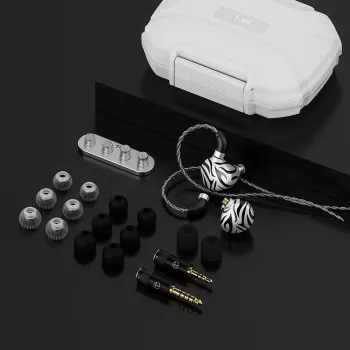
Comfort is more personal. Metal shells may feel cooler to the touch at first, and long-session comfort depends on the shell shape, nozzle angle, and your tip choice. If you switch between silicone and foam tips, you can fine-tune both comfort and sound: foam often increases isolation and bass stability, while silicone can feel lighter and may keep treble a touch more open depending on fit.
A detachable cable is one of the most practical features on daily-use IEMs. If a cable fails (snags, pocket wear, intermittent connection), replacement is straightforward—no need to retire the entire earphone. Detachable designs also make it easy to swap cables for different use cases, such as a shorter cable for portable listening or a different termination to match your player or desktop interface.
To keep performance consistent, make sure the connector fit remains secure and clean. Avoid twisting during removal; pull straight and gently. If you notice cable noise (microphonics) when walking, wearing the cable over-ear often reduces it significantly, and a small cinch or shirt clip can stabilize the run.
Many planar IEMs play from a phone, but they often reward a cleaner source. If your phone lacks a headphone jack, a quality USB-C or Lightning DAC can improve output stability, reduce hiss, and provide a more consistent listening level. On laptops and desktop interfaces, a dedicated DAC/amp can also help with headroom—especially when you listen to dynamic recordings at moderate volumes.
| Item | Details |
|---|---|
| Product | HiFi Planar Diaphragm In-Ear Monitors with Detachable Cable – CNC Metal Shell |
| Price | 158.47 USD |
| Availability | In stock |
| Shell | CNC metal shell |
| Driver type | Planar diaphragm (in-ear monitor) |
| Cable | Detachable |
Many will play directly from phones and laptops, but planar designs often sound more controlled with a clean DAC/amp that adds headroom and reduces noise. If bass seems lacking, fix the seal and tip fit first—poor fit affects bass more than power in many cases.
A detachable cable makes it easy to replace a worn or failed cable and can extend the life of the earphones. It also supports upgrades like different lengths or terminations; just remove connectors gently and keep them clean to avoid intermittent audio.
Start with fit: try a deeper insertion and experiment with tips (foam often improves seal and bass stability). If the seal is solid, a small EQ boost in the low end or pairing with a slightly warmer source can add weight without muddying the mids.









Leave a comment