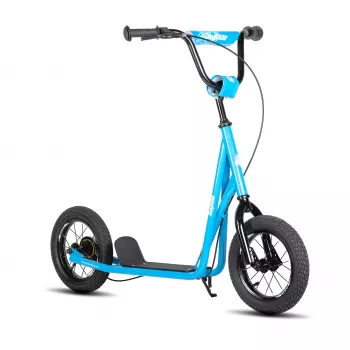
A well-built kick scooter can turn short trips to the park and after-school play into confident, active riding. For kids ages 5–9, the most important differences come down to wheel size, braking, handlebar fit, and how the deck feels underfoot—especially on real sidewalks, cracks, and small bumps.
At this age, kids are usually ready for longer coasting stretches and more purposeful steering—but they still benefit from gear that reduces “surprise” wobbles and makes stopping feel predictable.
| Feature | What to look for | Why it helps |
|---|---|---|
| Wheels | Larger diameter, durable material | Smoother ride and less snagging on cracks |
| Brake | Easy-to-press rear brake, predictable stopping | Shorter stopping distances and better control |
| Handlebars | Comfortable grips, suitable height range | Improves balance and reduces fatigue |
| Deck | Adequate foot room, non-slip surface | More stable stance and fewer slips |
| Frame | Sturdy build, manageable weight | Longer service life and easier handling |
Wheel size changes how a scooter behaves on everyday pavement. For kids ages 5–9 who ride on neighborhood sidewalks, 12-inch wheels can make the ride feel calmer and less “twitchy,” especially when surfaces aren’t perfect.
| Wheel size | Typical ride feel | Best for |
|---|---|---|
| ~4–6 in | Quick and nimble, more sensitive to bumps | Very smooth surfaces, short play sessions |
| ~7–9 in | Balanced roll and maneuverability | Sidewalks and light neighborhood use |
| ~12 in | Smoother over cracks, steadier momentum | Everyday sidewalks, longer outdoor rides |
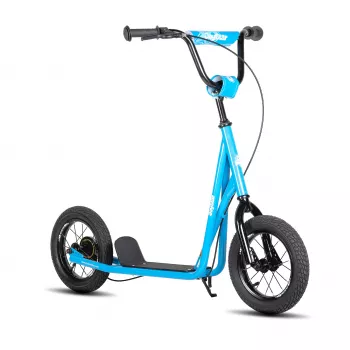
If the main riding area is sidewalks and park paths, a larger-wheel scooter is often a smart move for comfort and confidence. The Kick Scooter for Kids Ages 5-9 with 12″ Wheels is designed around that smoother roll, helping reduce the “stuck wheel” moments that can happen on uneven pavement.
| Item | Detail |
|---|---|
| Product | Kick Scooter for Kids Ages 5-9 with 12″ Wheels |
| Price | 84.47 USD |
| Availability | In stock |
| Product link | View product |
A scooter that “technically fits” can still feel awkward if the bars are too high or the deck position forces a cramped stance. A few quick checks at home can make riding feel immediately more controlled.
| Check | How to test | Pass signal |
|---|---|---|
| Handlebar height | Child stands on deck in riding shoes | Back upright, elbows slightly bent |
| Stopping control | Slow roll, press brake gradually | Stops smoothly without hopping off |
| Coasting stance | Bring both feet onto deck briefly | No wobble, feet not hanging off edges |
Stable equipment helps, but consistent habits prevent most common falls. For credible safety guidance, review the CPSC scooter safety information and the CDC helmet safety basics.
Not necessarily—12-inch wheels often feel smoother and more stable, but the best choice depends on overall scooter size, handlebar height range, and whether the child can control speed and braking. Check fit at home and start with short, supervised practice rides.
Begin on flat ground at walking speed and practice gradual brake pressure while keeping weight centered and eyes forward. Have the child stop well before turns, and always use a helmet and closed-toe shoes.
In most cases, yes—larger wheels typically roll better over cracks and small debris found on sidewalks and paved paths. Avoid gravel, wet leaves, steep hills, and high-traffic areas until the child’s balance and braking are consistent.







Leave a comment