
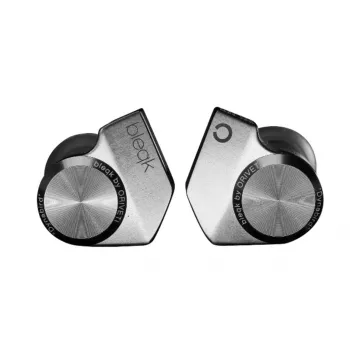
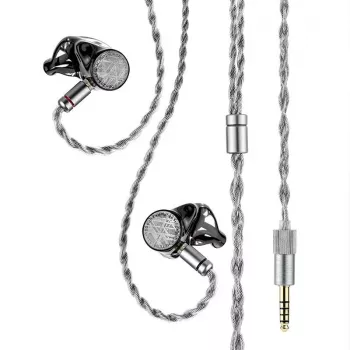
A well-tuned single dynamic driver can deliver cohesive imaging, natural timbre, and punchy bass without the phase quirks that sometimes come with multi-driver designs. With a 9.2mm beryllium-coated diaphragm, this in-ear model is built to stay fast and controlled through transients while keeping vocals and instruments clean and lifelike.
Beryllium is prized in audio engineering because its stiffness-to-weight characteristics help a diaphragm resist flexing while still moving quickly. A beryllium-coated dynamic driver aims to translate that advantage into clearer attacks, cleaner decay, and less “smear” on busy passages.
For a quick overview of beryllium’s material properties, see Encyclopaedia Britannica’s entry on beryllium. While a coating doesn’t guarantee any one tuning, it often supports the kind of control that makes detail easier to hear at comfortable volumes.
This style of single dynamic IEM typically emphasizes coherence: bass, mids, and treble feel like they come from one continuous source rather than separate bands stitched together. When the fit is right, the presentation can sound both lively and natural.
| Music or use case | What to listen for | Why it matters |
|---|---|---|
| Acoustic/vocals | Breath and consonant detail without sibilance | Shows mid/treble control |
| Hip-hop/electronic | Sub-bass presence with fast recovery | Reveals diaphragm control |
| Rock/metal | Kick drum definition and cymbal clarity | Tests transient response |
| Podcasts/calls | Speech intelligibility at low volume | Indicates tuning balance |
With in-ear headphones, fit isn’t a minor detail—it’s a major part of the sound. A beryllium-coated driver can deliver speed and resolution, but the seal determines whether bass is full and whether the treble sits comfortably.
As a practical baseline, aim for secure insertion that doesn’t create pressure hotspots. When isolation improves, perceived detail usually rises—often making it easier to listen at safer levels. For hearing health context and safe listening guidance, the NIOSH noise and hearing loss resources are a solid reference.
These in-ears can sound great straight from a phone, but sensitive IEMs may expose a noisy output or a weak amp stage. Pairing is less about “making them loud” and more about improving control and clarity.
If the goal is a “complete” sound from one driver—punchy, detailed, and naturally timed—this configuration is built for that kind of listening. For current price, photos, and purchase details, visit the product page for High-Fidelity 9.2mm Beryllium-Coated Single Driver In-Ear Headphones.
| Item | Details |
|---|---|
| Name | High-Fidelity 9.2mm Beryllium-Coated Single Driver In-Ear Headphones |
| Price | 161.01 USD |
| Availability | In stock |
| Product page | View product |
It can sound more detailed because the diaphragm tends to behave with more speed and control, but brightness is ultimately determined by tuning, fit, and the source. If treble feels forward, try different ear tips or a mild EQ cut in the upper treble.
Yes—single-driver designs often excel at coherence and phase consistency, which helps instruments feel naturally “locked” together. Multi-driver models can offer more headroom in specific frequency bands, but execution and tuning matter more than driver count.
Start by improving the seal with the right tip size and a stable insertion depth, since leaks quickly reduce bass. Also check that vents aren’t blocked and consider a small bass-shelf EQ rather than raising volume to unsafe levels.











Leave a comment