HomeBlogBlogClassic Mid-Back Leather Office Chair with Armrests

Classic Mid-Back Leather Office Chair with Armrests

Classic Mid-Back Leather Office Chair with Armrests

Classic Mid-Back Comfort in a Refined Leather Finish

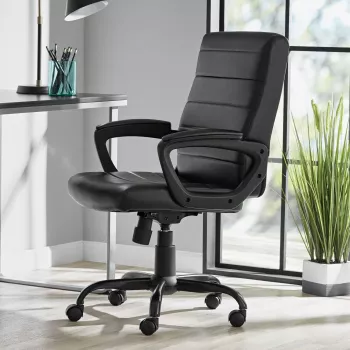
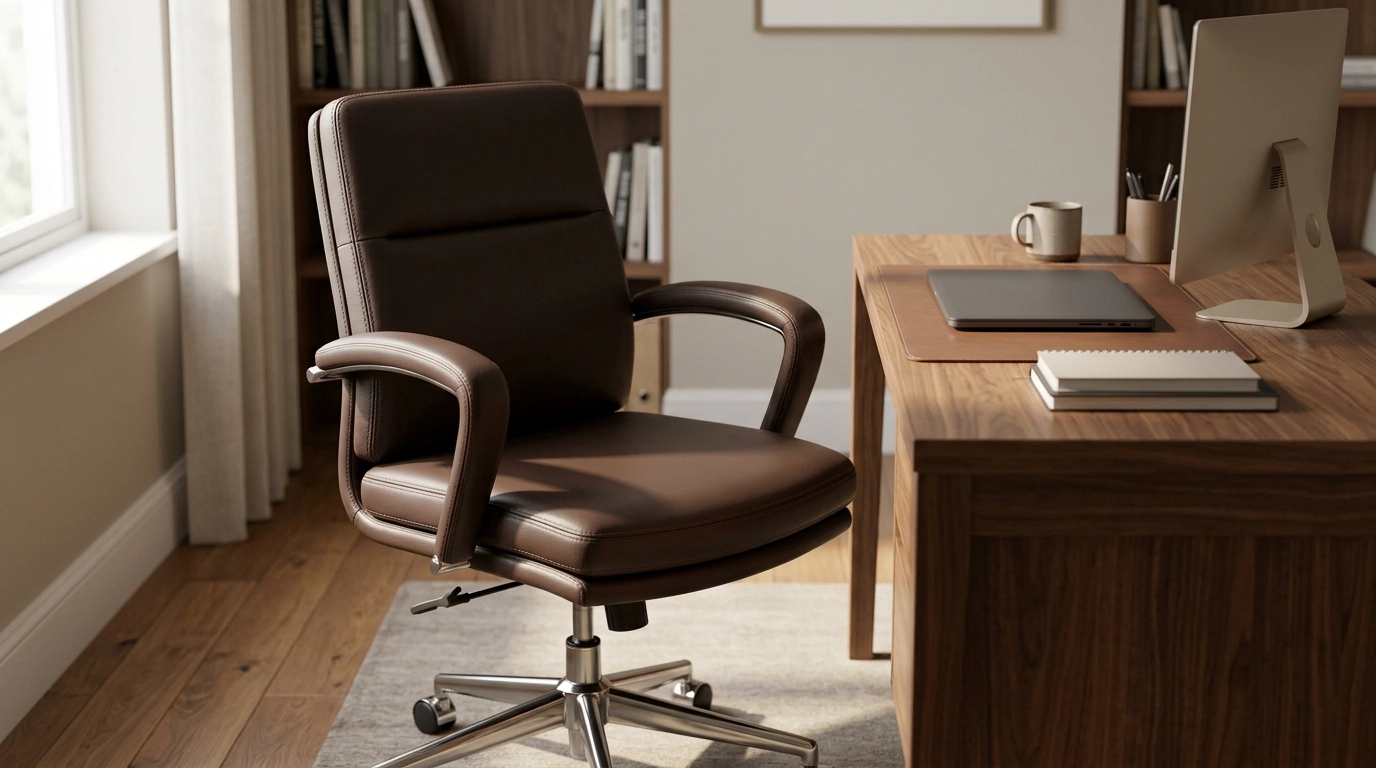
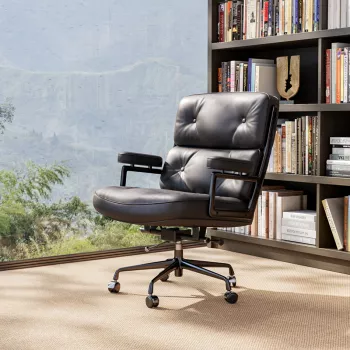
A mid-back leather office chair can be the difference between simply getting through the workday and staying comfortable through long calls, focused writing sessions, and daily admin. The Classic Mid-Back Padded Genuine Leather Office Chair with Armrest pairs a polished, professional look with everyday practicality—supportive armrests, a structured padded feel, and a mid-back profile that fits naturally in home offices, executive spaces, and compact work areas where a tall high-back chair can feel visually heavy.

What Makes This Chair a Classic Mid-Back Option

  • Mid-back profile: Supports the torso while keeping a lighter silhouette than many high-back executive chairs—helpful if you want support without the “oversized” look.
  • Padded genuine leather: Offers a smooth, structured feel and a crisp finish that reads instantly professional in client-facing or leadership settings.
  • Supportive armrests: When paired with the right desk height, armrests can reduce shoulder elevation and help arms feel “held up” during keyboard and mouse work.
  • Versatile styling: A classic form that blends well with wood desks, modern glass or metal setups, and traditional executive offices.

Quick Specs and At-a-Glance Details

This chair is designed for daily desk work, meetings, study spaces, and even refined guest or reception seating where appearance matters as much as comfort.

At-a-Glance Overview

Detail What to know
Product Classic Mid-Back Padded Genuine Leather Office Chair with Armrest
Upholstery Genuine leather (padded)
Back height Mid-back profile
Armrests Included
Use case Home office, executive office, study space
Availability In stock
Price $1011.99 USD

Comfort and Ergonomic Fit for Everyday Work

Mid-back seating tends to appeal to people who want support across the upper body without the tall headrest feel of a high-back chair. It can also feel less imposing in smaller rooms, keeping the space visually open while still providing a supportive backrest for typical desk tasks.

  • Armrest alignment matters: Armrests work best when your elbows can rest lightly with shoulders relaxed. If armrests are too high, shoulders may hike up; too low can encourage slouching or overreaching.
  • Balanced cushioning helps endurance: A cushion that distributes pressure across the thighs and hips can make long work blocks feel steadier—less “bottoming out,” fewer pressure points.
  • Support should encourage upright posture: The goal is a comfortable, neutral position that still allows small shifts. Subtle movement throughout the day can help reduce stiffness.

For a simple, effective workstation setup, follow core ergonomics guidance like keeping feet flat (or using a footrest), sitting back so hips are supported, and positioning the monitor so the top portion of the screen sits around eye level. For additional workstation recommendations, consult the OSHA Computer Workstations eTool and the Mayo Clinic office ergonomics guide.

Why Genuine Leather Works Well in Office Seating

Genuine leather has long been associated with executive seating for practical reasons—not just aesthetics. When maintained, it tends to hold up well to daily use while keeping a clean, tailored look that pairs naturally with professional interiors.

  • Durability and aging: Leather is often valued for wearing in gracefully over time rather than looking tired quickly when cared for properly.
  • Easy surface cleanup: Many day-to-day messes are simpler to wipe away than on absorbent fabrics, which is useful for dust, coffee drips, or everyday smudges.
  • Structured support: A padded leather seat and back can feel more “held” and supportive than softer textiles that compress quickly.
  • Temperature considerations: Comfort can vary with room temperature. In warmer spaces, breathable clothing and stable AC can make extended sitting sessions more pleasant.

If you’re comparing materials, the FTC Guides for Select Leather and Imitation Leather Products can help clarify labeling language so you know what you’re buying.

Care and Maintenance Tips for a Leather Office Chair

  • Dust and wipe regularly: Use a soft, slightly damp cloth. Avoid harsh cleaners that can dry or dull the surface.
  • Condition periodically: Apply a leather-appropriate conditioner occasionally to help maintain suppleness and reduce cracking risk.
  • Avoid direct sunlight: Sun exposure can fade and dry leather over time; positioning the chair away from windows helps.
  • Prevent scratches: Be mindful of sharp objects like belt buckles, rivets, and tools that can mark the seat.
  • Check stability: Tighten visible hardware as needed and address any wobble early to keep the chair feeling solid.

Where This Chair Fits Best: Room and Style Pairings

Comparison: Mid-Back vs. High-Back vs. Stool Seating

In-Stock Picks to Complete the Setup

FAQ

Is a mid-back chair good for long hours at a desk?

It can be, as long as the chair fits your body well and your workstation is set up correctly. A supportive seat for hips and a backrest that supports the torso—plus regular movement breaks—can make mid-back seating comfortable for extended workdays.

How should leather office chairs be cleaned and conditioned?

Dust frequently and wipe with a soft, slightly damp cloth, avoiding harsh chemicals. Condition periodically with a leather-appropriate product, and try to keep the chair away from strong sunlight or heat that can dry the leather.

Do armrests help with posture or cause shoulder tension?

Properly aligned armrests can reduce strain by supporting the arms so shoulders stay relaxed. If armrests are too high or too low, they can elevate shoulders or encourage slouching, so aim for a height where elbows rest comfortably near desk level.

Was this article helpful?

Yes No
Leave a comment
Top

Shopping cart

×