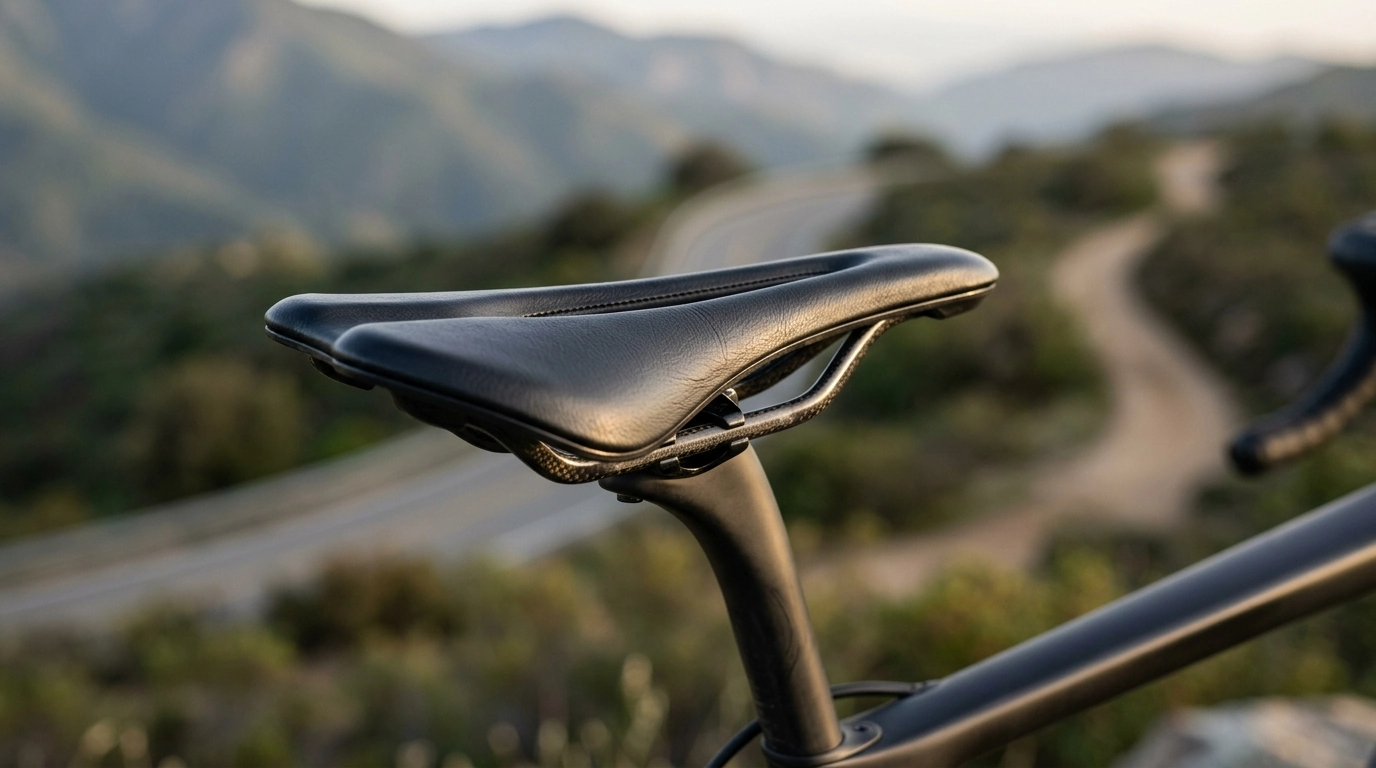
An ultralight saddle can transform how a bike feels on climbs, accelerations, and long rides—but only when weight savings don’t come at the expense of comfort and control. This T700 carbon saddle pairs a stiff carbon base and rails with a hollow pressure-relief channel and a leather-style cushion, aiming to balance low mass, road efficiency, and trail stability for MTB and road setups. For more guidance, see ROCKBROS Ultralight Bike Saddle – Comfort MTB/Road Seat With ….
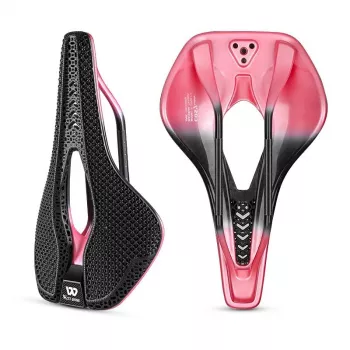
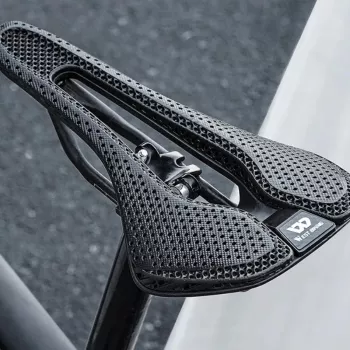
If the goal is to upgrade a build with a lighter, racier contact point without going full “minimalist carbon,” this style sits in a practical middle ground: firm support underneath, with a slightly softer top layer for day-to-day rideability. For further reading, see WEST BIKING Ultralight 3D Printed Carbon Fiber Saddle – radiocane.
Carbon saddles commonly feel firmer than steel-rail, foam-heavy models. The upside is reduced flex under hard pedaling—so when you surge out of a corner, spin up a climb, or hold a tempo effort, the platform feels steady rather than “mushy.”
T700 carbon fiber is widely used in performance cycling components because it can deliver excellent strength at low weight when the layup is done well. In saddle terms, that usually means:
A stiff saddle can also highlight setup issues. Even the best material won’t fix a poor fit—saddle height, tilt, and fore-aft position often matter more than carbon vs. alloy for comfort over time. For broader fit guidance, Trek’s fit overview is a helpful starting point: https://www.trekbikes.com/us/en_US/bike-fitting/.
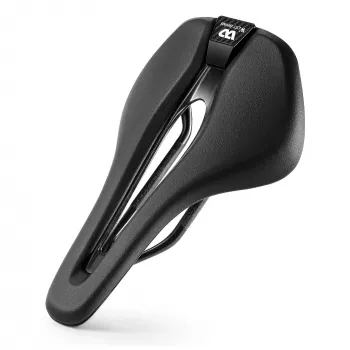
The hollow cut-out (or channel) is intended to offload pressure from the perineal area during long steady efforts, climbing, and time in the drops. For many riders, that pressure relief is the difference between “fine for 30 minutes” and “comfortable for hours.”
Small setup changes tend to outperform big padding changes. Moving a saddle a few millimeters forward/back or adjusting tilt by 1–2 degrees can dramatically change pressure distribution—particularly on firm, performance-oriented saddles.
A firm, lightweight saddle pairs naturally with a performance road position. When the torso angle drops and seated pedaling becomes more consistent, a stable platform can feel efficient—especially on sustained climbs and steady-state efforts.
On XC and mixed-terrain rides, the cushion helps take the edge off trail chatter. The key consideration is how easily you can move around the bike: on technical sections you’ll shift forward for climbing traction and slide back on descents. Make sure the nose and side profile don’t snag shorts during quick body English.
For equipment rules that may apply in certain competitive settings, see the UCI regulations: https://www.uci.org/regulations.
For general background on T700 carbon fiber, Toray’s overview provides useful context: https://www.toraycma.com/.
| Item | Details |
|---|---|
| Model | Ultralight T700 Carbon Bike Saddle – Hollow Leather Cushion for MTB & Road |
| Primary materials | T700 carbon structure with leather-style cushioned top |
| Comfort feature | Hollow center channel for pressure relief |
| Best for | Road rides, climbing-focused setups, XC-style MTB, weight-conscious builds |
| Install notes | Verify clamp compatibility and use correct torque for carbon components |
| Price | 63.32 USD |
| Availability | In stock |
It can be, as long as the fit is correct and the saddle supports your sit bones rather than soft tissue. The hollow channel and cushioned top help, but tilt, height, fore-aft position, and quality bib shorts usually decide long-ride comfort.
Yes—this style can suit both road and MTB, especially road and XC-focused setups. For technical trail riding, confirm you can move forward/back freely without snagging shorts and re-check clamp tightness after rough rides.
Yes: confirm your seatpost clamp is designed for carbon rails, use a torque wrench, and follow the manufacturer’s torque specification. Periodically inspect for clamp marks or cracks, particularly after a crash or if the saddle slips.










Leave a comment