
A smart HVAC essential oil diffuser connects to ductwork to distribute scent evenly across larger areas, with app-based scheduling and intensity control. Instead of concentrating fragrance in one corner of a room, it leverages your central airflow to create a more consistent “background ambiance” across multiple spaces. Below is what to expect from an HVAC-connected diffuser, how app control changes day-to-day use, where it fits best, and practical setup, safety, and maintenance tips for clean, reliable fragrance delivery.
An HVAC-connected diffuser is built for coverage and consistency. Rather than pushing fragrance into a single room like a tabletop unit, it relies on your HVAC system’s air movement to carry scent through vents and returns.
This approach is best when the goal is a consistent, subtle atmosphere—not localized aromatherapy right next to a desk or nightstand.
App control is the difference between “set it and hope” and a routine you can manage precisely. The best results usually come from short diffusion windows, moderate intensity, and predictable timing.
HVAC scenting shines in open-concept living areas, hallways, and homes where one room diffuser feels uneven. It can also support consistent “whole-home” freshness during hosting—without placing multiple plug-ins around the house.
For small businesses, consistent background fragrance can make a space feel more polished. Salons, boutiques, showrooms, waiting rooms, fitness studios, and small offices often benefit from one centrally managed device rather than several scattered units.
A practical rule: match diffusion time to real occupancy. Lower output during low-traffic hours helps conserve oil and reduces the chance of buildup.
Not all HVAC diffusers behave the same in real homes and businesses. Before choosing one, consider how your space and HVAC habits affect performance.
| Decision Factor | What to Look For | Why It Matters |
|---|---|---|
| Control | App scheduling + multiple intensity levels | Prevents over-scenting and reduces oil waste |
| Coverage | Support for multi-room distribution via HVAC airflow | More even scent across larger areas |
| Oil Use | Adjustable diffusion strength and timed intervals | Helps manage operating cost and comfort |
| Placement | Stable setup near duct access; clear installation guidance | Reduces leaks, vibration, and maintenance hassles |
| Maintenance | Easy reservoir access + simple cleaning routine | Improves reliability and keeps fragrance crisp |
For broader indoor air quality guidance (including ventilation basics), the U.S. Environmental Protection Agency’s introduction to indoor air quality is a helpful reference point.
For fragrance safety norms and guidance, review IFRA standards and safe-use resources, especially if you’re scenting customer-facing environments.
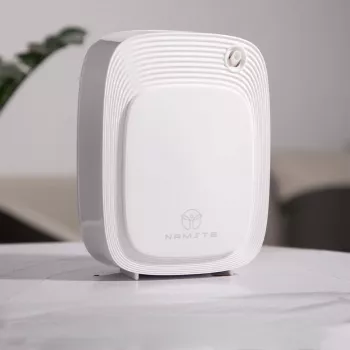
If you want predictable, multi-room scenting with minimal daily effort, the Smart HVAC Essential Oil Diffuser with App Control for Home & Commercial Use is designed for exactly that: steady distribution through HVAC airflow, plus app-based scheduling and intensity adjustments for real-life routines.
For a cohesive “finished” feel in bedrooms and guest spaces, pairing scent with soft-texture upgrades can help. Consider the Luxury Double-Sided Velvet Bed Skirt Set – 4pcs Plush Winter Bedding to complement an evening fragrance routine with a warmer, more inviting room aesthetic.
Yes—HVAC distribution can amplify reach, especially when the fan runs frequently. Start at the lowest intensity with shorter intervals, then adjust based on occupancy and ventilation, and stop use if anyone experiences irritation.
They can, particularly with heavy or continuous diffusion, poor ventilation, or individual sensitivities. Use moderate settings, maintain good airflow, and follow safety guidance—especially in shared or customer-facing spaces with fragrance policies.
Wipe the exterior weekly and plan a deeper internal cleaning periodically based on usage and oil type. Heavier oils and higher output typically require more frequent cleaning to prevent residue buildup and keep the scent crisp.












Leave a comment