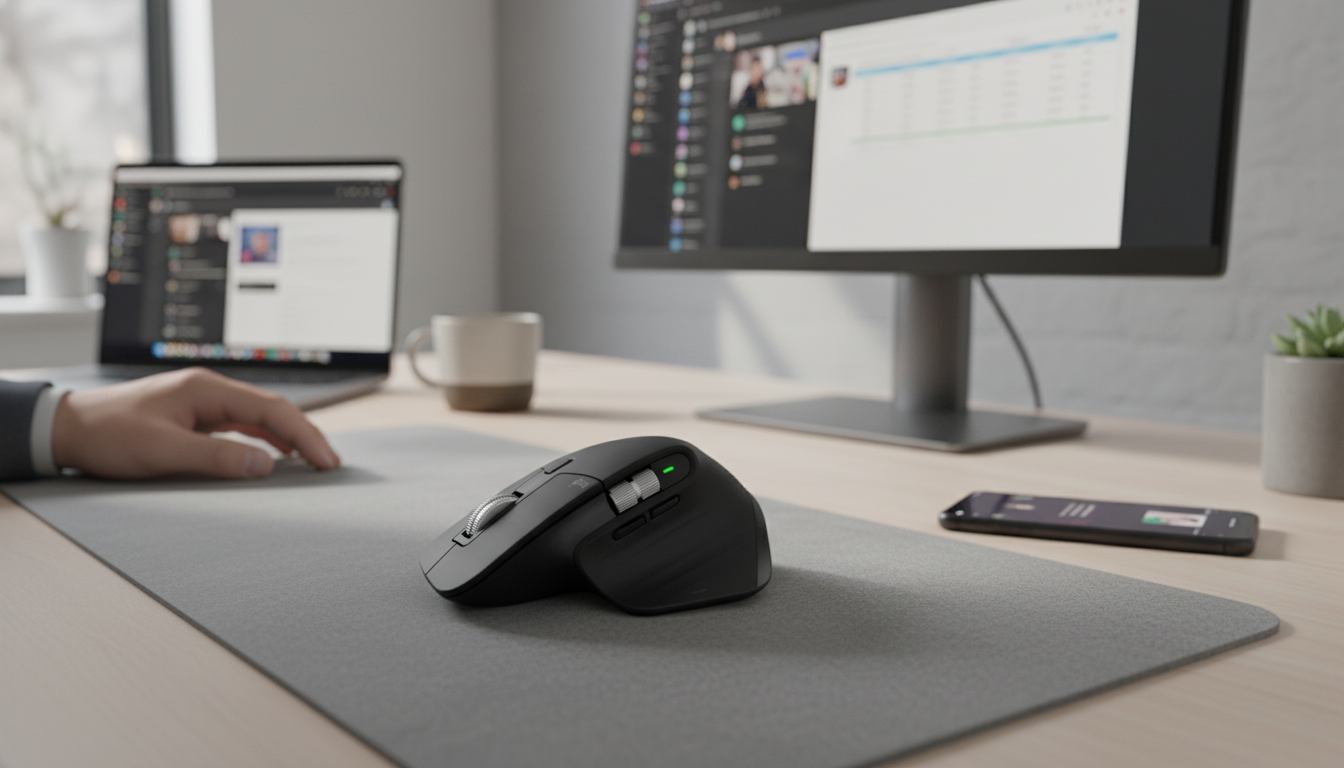
A comfortable mouse can change how a workday feels—especially when switching between devices and navigating long documents. Cross-screen control and fast scrolling are designed to remove small, repetitive slowdowns that add up over hours of work. When those features are combined with an ergonomic shape and wireless Bluetooth connectivity, the result is a cleaner setup and smoother navigation for multi-device routines.
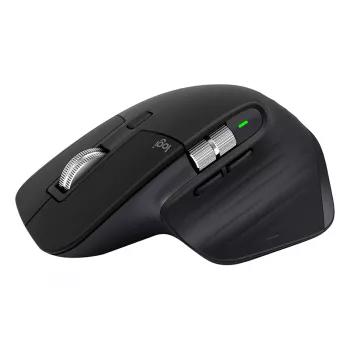
If you’re building a productivity-focused desk, start with the core peripheral you touch constantly. The Wireless Bluetooth Ergonomic Mouse with Cross-Screen Control and Fast Scrolling is positioned for exactly that: everyday comfort plus faster movement across screens and through long files.
Cross-screen control allows the cursor to move from one computer to another without changing your grip or reaching for a second mouse. For people who keep a laptop beside a desktop (or a work computer next to a personal one), this can reduce mental context switching and physical interruptions—especially when you’re dragging attention between monitors, chats, and reference materials.
Fast scrolling is meant for speed: moving through long web pages, PDFs, code files, or sprawling spreadsheets with fewer wheel turns. It’s especially useful when you’re scanning for a section header, reviewing logs, or jumping between distant parts of a document. When paired with a more controlled scroll mode (or system-level scroll adjustments), it can balance speed with precision.
An ergonomic profile aims to reduce wrist extension and grip strain by supporting the palm and encouraging a more relaxed hand position. Wireless Bluetooth connectivity also helps keep desks uncluttered and makes docking a laptop or shifting locations simpler. For general workstation ergonomics, resources like OSHA’s Computer Workstations eTool and NIOSH ergonomics guidance offer practical posture and setup recommendations.
For a streamlined workstation beyond pointing devices, audio can be another high-impact upgrade. If calls, streaming, or recording are part of the routine, the Professional Dynamic Microphone for Streaming, Podcasting & Studio Recording can complement a productivity setup by improving vocal clarity without complicating your desk.
| Use case | Why it matters | What to check |
|---|---|---|
| Two-computer workflow | Reduces interruptions when moving between devices | Cross-screen control behavior and device switching method |
| Long spreadsheets/PDFs | Saves time and minimizes repetitive scrolling | Fast scrolling mode and ability to regain precise control |
| All-day comfort | Less fatigue over long sessions | Ergonomic curve, grip stability, and wrist neutrality |
| Clean desk setup | Fewer cables and easier laptop docking | Bluetooth pairing reliability and range |
Basic Bluetooth pairing works without installing anything extra, but cross-screen control may require compatible software or specific operating system support. Requirements vary by implementation, so it’s worth confirming how the feature is enabled on your devices.
Fast scrolling is best for quickly covering distance, then switching to controlled scrolling for precision. If it feels too sensitive, lowering scroll speed in system or app settings can make fine positioning easier.
An ergonomic shape can reduce strain by supporting a more neutral hand and wrist posture, but comfort depends on hand size, grip style, and workstation setup. Persistent or worsening pain should be discussed with a qualified clinician.







Leave a comment