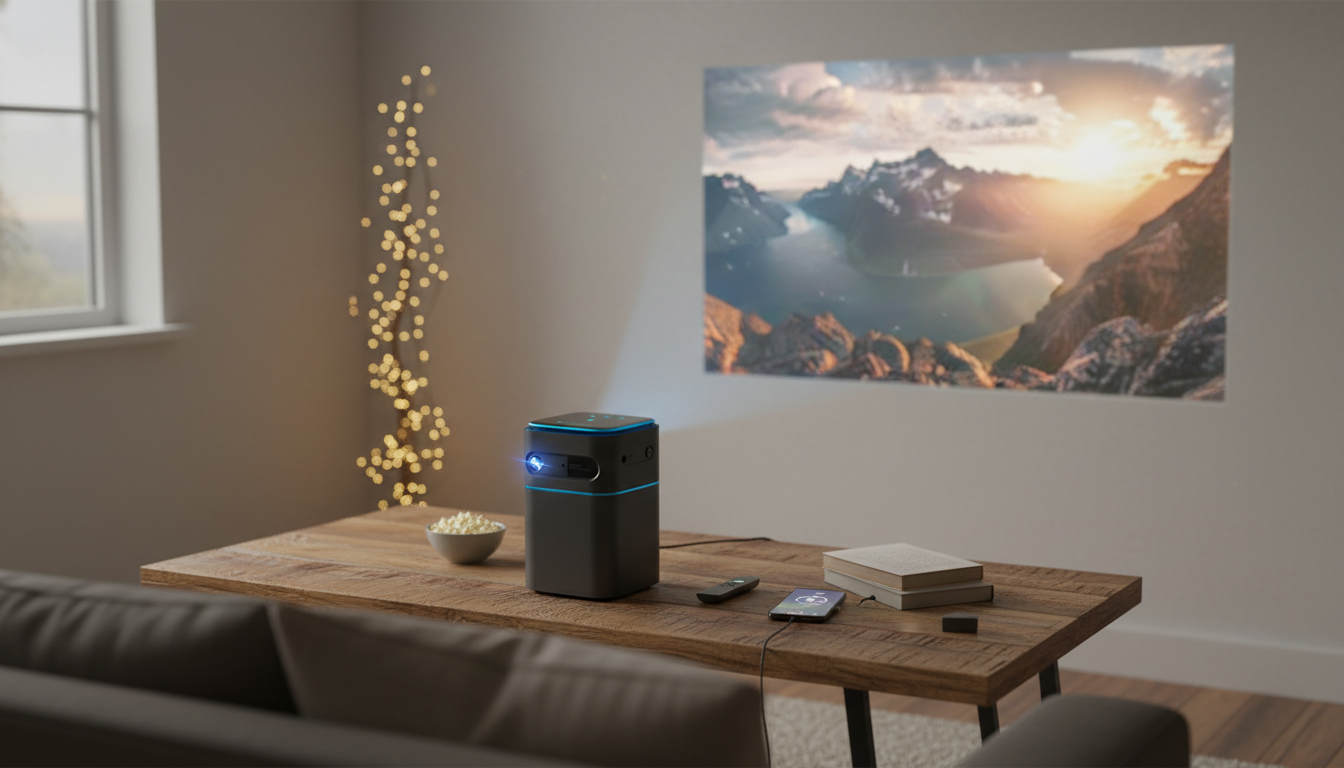
A pocket-friendly DLP projector can turn a blank wall into a big-screen setup for movie nights, travel, presentations, or casual gaming. With Android onboard plus Wi‑Fi and Bluetooth, streaming and pairing speakers can be done without extra boxes, while 2K/4K support helps keep detail crisp when the source is high resolution.
Mini projectors come in many flavors, but DLP tends to stand out when you care about crisp edges and readable details. DLP imaging is often favored for sharpness—handy for subtitles, streaming menus, and slide decks where small text matters. If you’re curious about the underlying tech, Texas Instruments provides an overview of DLP chip design and use cases on its official site: Texas Instruments DLP Technology.
Portability is the other major advantage. A compact projector is easy to move from bedroom to living room, take to a friend’s house, or pack for a weekend trip without dedicating half a suitcase. Add Android directly on the projector, and many common streaming tasks can happen without a laptop or separate streaming stick. Finally, Wi‑Fi and Bluetooth help reduce cable clutter: Wi‑Fi supports wireless streaming/casting, and Bluetooth makes it simple to pair audio to a speaker or headphones.
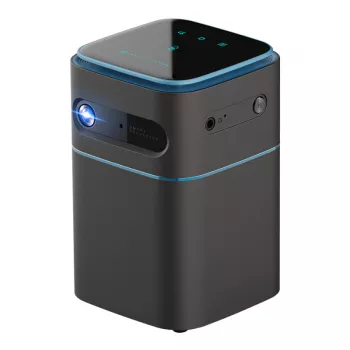
The Portable Mini DLP Projector with 2K 4K Support, Android WiFi, Bluetooth is designed around flexible placement and everyday convenience. It’s built for small spaces and quick setups, yet it can handle higher-resolution sources (2K/4K support) so modern streaming devices and newer media don’t feel “overqualified” for your projector.
With Android built in, the experience is closer to using a smart TV: open apps, sign in, and play content without routing everything through another box. When you want fewer wires, Wi‑Fi can help with casting/streaming, and Bluetooth makes external audio pairing quick—especially useful when you want fuller sound than a compact projector speaker can provide.
| Category | What to Look For | What This Model Emphasizes |
|---|---|---|
| Image system | Consistent sharpness and clean text | DLP-style clarity for movies and menus |
| Resolution handling | Compatibility with high-res sources | 2K/4K support for modern content |
| Smart platform | Simple playback without extra devices | Android onboard for apps and streaming |
| Wireless | Convenient connections and fewer cables | Wi‑Fi for streaming/casting; Bluetooth for audio |
| Portability | Easy carry and quick setup | Mini build for travel and small rooms |
For compact projectors, the biggest “upgrade” usually comes from setup choices rather than settings. Start by matching viewing distance to your screen size: in a small room, a slightly smaller image often looks brighter and more contrasty, and it can make fine details pop. If you’re setting up in a living room or backyard, it can be tempting to go huge, but dialing it back a bit can make the picture look more confident.
Surface matters more than most people expect. A neutral wall can work well, but if the paint has heavy texture or a strong color tint, the image can look uneven. A basic, smooth screen or a clean, light-colored wall improves perceived contrast and keeps colors more consistent across the frame.
For general guidance on casting and device basics, Google’s help resources can be a useful reference point: Android TV Help Center (Casting and device basics).
Bluetooth pairing is a go-to move for better sound. A portable speaker can add volume and bass for outdoor nights or larger rooms, and Bluetooth headphones can keep late-night viewing quiet. Keep the audio device relatively close to reduce dropouts, and consider pairing only one Bluetooth device at a time to avoid sync issues. For a deeper dive into how Bluetooth is standardized across devices, see: Bluetooth Core Specification (Bluetooth SIG).
For a more cinematic feel, external audio is usually the most noticeable improvement. If you want a cleaner living room layout, placing the projector and accessories on a dedicated media surface can keep everything stable and easy to access. A furniture option that complements a streamlined setup is the Modern Nordic TV Stand and Storage Dresser, which can help create a consistent “home base” for power, remotes, and accessories.
If your setup doubles as a content corner for streaming or voice capture on a nearby device, adding a mic can help. The Professional Dynamic Microphone for Streaming, Podcasting & Studio Recording is a simple add-on idea for clearer speech in recordings compared with built-in device mics.
Not necessarily. “2K/4K support” typically means the projector can accept and play higher-resolution input, while its native display resolution may be different. The practical benefit is better compatibility with modern sources and potentially cleaner downscaling than forcing a lower-quality feed.
Bluetooth can introduce latency, and the amount varies by device and codec. Keeping the audio device close and trying a different speaker/headphone model can help, while wired audio or direct HDMI setups usually minimize delay for gaming or timing-sensitive content.
Many streaming apps can run directly on Android projectors, depending on app availability and device compatibility. Keeping firmware and apps updated helps, and an HDMI streaming stick is an easy fallback if a preferred app has limitations.







Leave a comment