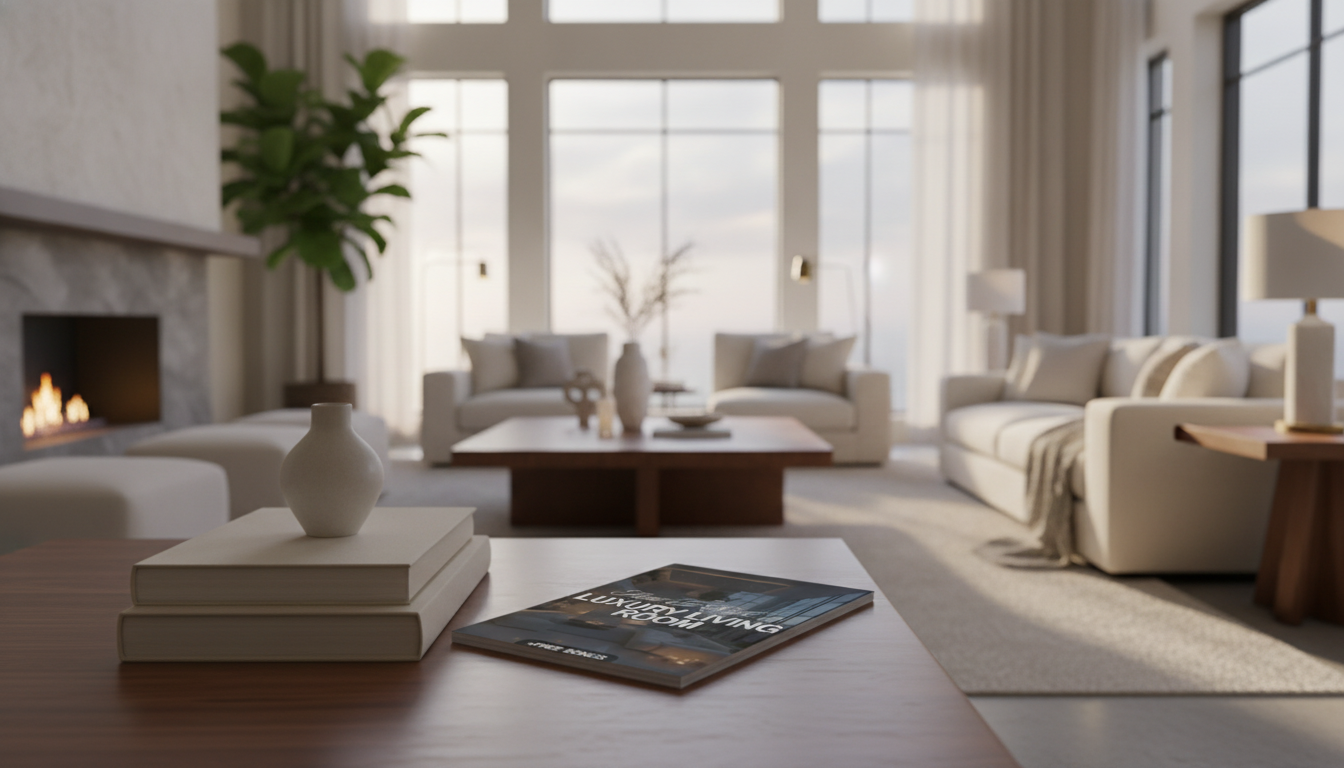
Luxury living rooms feel intentional: balanced proportions, layered textures, curated objects, and lighting that makes everything look better. The most polished spaces follow a clear workflow—plan the layout, anchor with foundational pieces, refine with materials and color, then finish with art, styling, and light. Use the checklist below to elevate any living room with fewer missteps and more “that’s exactly right” moments. For more guidance, see 107 stylish living room ideas to copy now | House & Garden.
A high-end space usually has one cohesive point of view, even when it mixes eras or styles. Before shopping or rearranging, decide what the room is trying to be.
If you want a structured, printable workflow, the How to Style a Luxury Living Room – Digital Guide, eBook & Checklist is a simple way to keep decisions consistent from layout to finishing touches.
Luxury doesn’t come from stuffing in more furniture—it comes from spacing, comfort, and a layout that feels effortless. Start by defining how people move and gather.
| Element | Goal | Quick Check |
|---|---|---|
| Sofa placement | Anchor the room | Front legs on rug; sightlines to focal point |
| Accent chairs | Balance and conversation | Pairs or asymmetry with intention; matches room scale |
| Coffee table | Function + proportion | About 2/3 sofa length; easy reach from seats |
| Rug | Unify seating | Large enough for all front legs; adds texture |
| Media/storage | Hide clutter | Closed storage for devices, remotes, cables |
| Lighting plan | Ambient + task + accent | At least 3 light sources; warm, consistent bulbs |
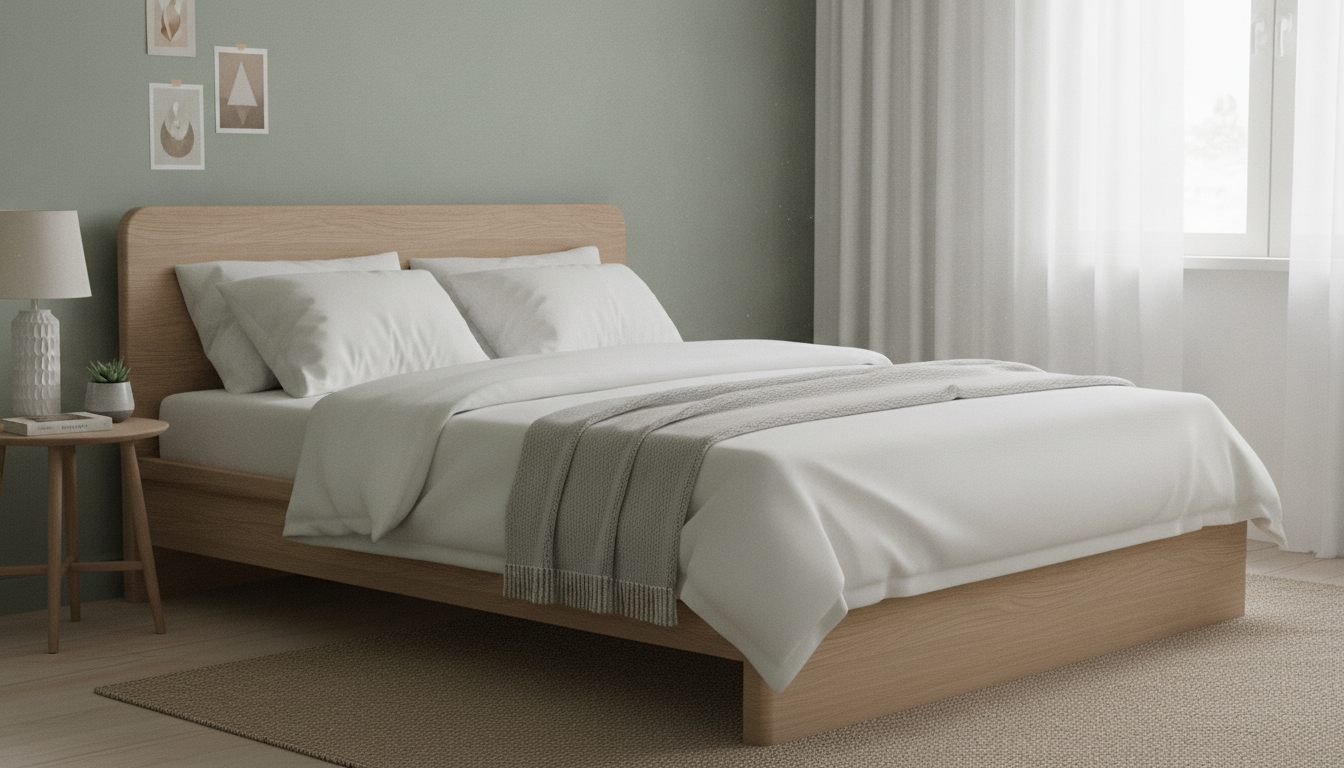
A streamlined media wall helps the whole room feel calmer. If your space needs closed storage with a modern profile, consider the Modern Nordic TV Stand and Storage Dresser to conceal cables and everyday clutter while keeping the look crisp.
Color is where luxury can quietly show off. The goal isn’t “no color”—it’s controlled color with tonal depth.
For additional real-room references, browse curated inspiration from Architectural Digest and Elle Decor—both are strong for spotting how designers repeat finishes and keep palettes disciplined.
Even the most minimal living rooms feel expensive when one or two pieces carry the room. Think “hero items,” not a long list of upgrades.
When deciding what to splurge on, ask one question: what takes up the most visual real estate? In most living rooms, it’s the sofa, rug, and lighting—so these are the upgrades that pay back the fastest.
Luxury lighting is less about the fixture price tag and more about control. A room with flattering, layered light looks polished even with simple decor.
Prioritize scale (a larger rug and properly sized art), invest in fewer better pieces, and add layered lighting with warm bulbs and dimmers. A cohesive palette, upgraded textiles (curtains and throws), and edited surfaces with negative space create an instantly more premium look.
Keep it to 2–3 main colors plus 1 accent, then build richness through tonal layering and texture. Repeating finishes (like brass or black) across multiple items makes the scheme feel intentional rather than busy.
Reduce overhead glare and add multiple warm, dimmable light sources—table lamps, floor lamps, and subtle accent lighting. A few reflective accents (mirror, glass, metallic tray) help light bounce and make the room feel softer and more elevated.










Leave a comment