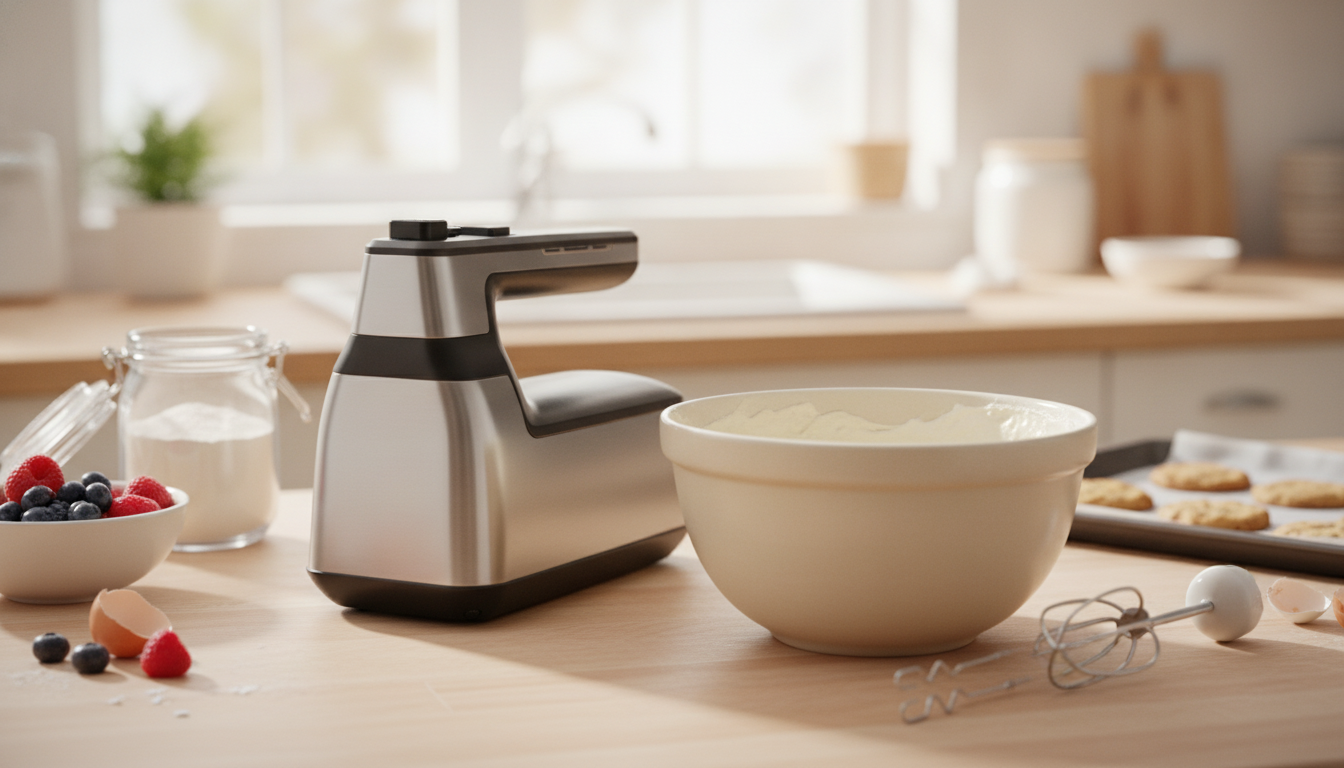
A cordless hand mixer keeps the countertop clear and makes quick prep easier—especially when moving between bowls, scraping sides, or working where outlets are limited. With 100W of power, variable speeds, and a turbo boost option, this style of mixer is built for everyday tasks like whipping cream, mixing batters, and blending frosting with better control and fewer cords in the way.
The biggest change is freedom of movement. Without a cord trailing behind, you can mix at the kitchen island, at a side table for a party spread, or even outdoors when power access is limited. That also means less clutter around bowls, ingredients, and measuring tools—useful when the workspace is small.
A 100W cordless mixer is designed for the kinds of mixes most home cooks do frequently: pancake batter, cake mix, whipped toppings, and soft cookie dough. The standout advantage is control—being able to start gently, build speed as ingredients hydrate, and then finish with a brief power burst for a smoother, lighter texture.
| Task | Recommended speed approach | Tip for best texture |
|---|---|---|
| Dry + wet batter (cakes, pancakes) | Start low, then increase to medium | Pause to scrape bowl; stop when just combined to avoid toughness |
| Whipped cream | Medium to high; finish with brief turbo if needed | Chill bowl and beaters for faster peaks |
| Frosting / icing | Low to medium; short high-speed finish | Add sugar gradually to reduce mess |
| Egg whites | Medium, then high as foam forms | Use a clean, grease-free bowl for stable volume |
| Soft cookie dough | Low to medium | Avoid long mixing after flour is added to keep cookies tender |
A cordless mixer shines in the “small batch, quick turnaround” moments—when pulling out a stand mixer feels like overkill, but a whisk won’t give the same smoothness or lift. It’s also handy for prep right where you plan to serve, keeping the kitchen traffic flowing.
For smoother results, let cold ingredients warm slightly when a recipe calls for creaming (like butter and sugar). For airy results, chill what should stay cold (like cream) and use higher speeds near the end.
Control is as much about handling as it is about motor power. A balanced mixer with an ergonomic grip can reduce wrist fatigue, especially when whipping or beating for several minutes. Good technique also goes a long way toward keeping counters and cabinets clean.
For additional guidance on safe handling habits in the kitchen, refer to the USDA Food Safety and Inspection Service kitchen companion. If your household manages allergies, the FDA food allergy resource offers practical precautions for avoiding cross-contact.
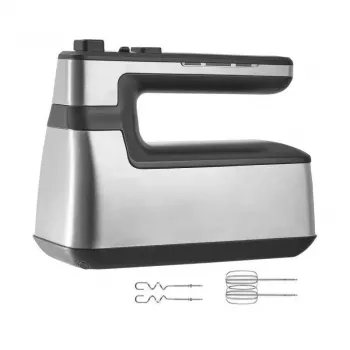
If the goal is quick recipes, small batches, and a cleaner counter, the 100W Cordless Electric Hand Mixer with Turbo Boost & Variable Speed is a practical fit. The cordless design keeps you mobile, variable speed helps dial in texture, and turbo boost adds a short burst of lift when you’re finishing a mix.
| Detail | Value |
|---|---|
| Model | 100W Cordless Electric Hand Mixer with Turbo Boost & Variable Speed |
| Power | 100W |
| Controls | Variable speed + turbo boost |
| Availability | In stock |
| Price | $64.82 USD |
Use turbo boost in short bursts near the end of mixing—like finishing whipped cream peaks or smoothing frosting—rather than running it continuously. This helps reduce splatter and lowers the risk of overmixing.
It can handle softer cookie doughs, especially when butter is properly softened and the batch size is modest. Very stiff doughs or large batches may strain the motor and drain the battery faster.
Start on the lowest speed with beaters fully submerged, add dry ingredients gradually, and use a deeper bowl. Increase speed only after the mixture is partially combined.








Leave a comment