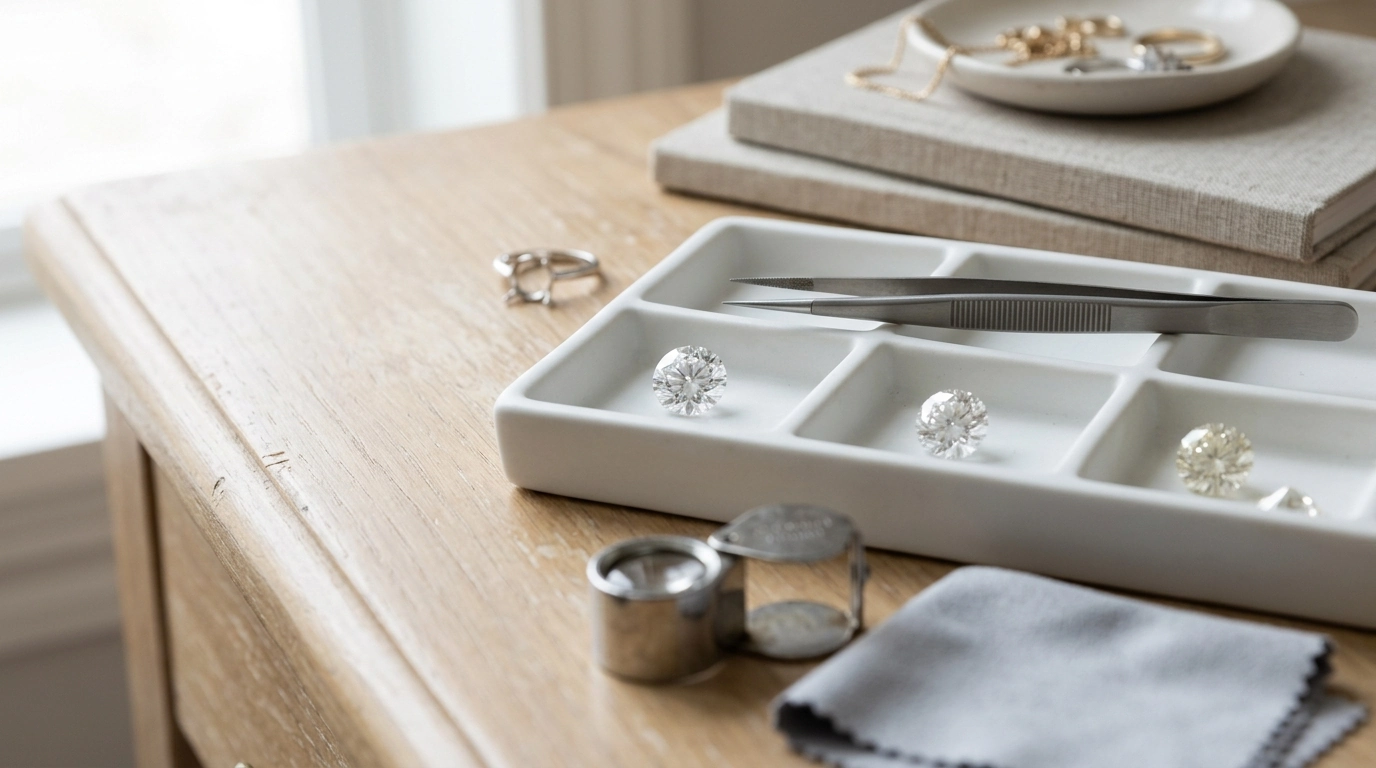
In moissanite color grading, “D” means the stone is colorless at the very top of the scale. A D-color moissanite is made to look crisp, bright, and icy—without noticeable yellow, brown, or gray tones—especially when viewed face-up in normal lighting.
Color grades move from colorless to near-colorless and then into warmer ranges. D is the most “white” option, followed by grades like E and F (still colorless), then G/H/I (near-colorless, often slightly warmer). Many shoppers pick D when they want the cleanest possible look, or when pairing the stone with bright white metals such as 18K white gold or platinum.
Often, yes—but the difference can be subtle depending on the cut, size, and setting. Larger stones and step cuts (like emerald cuts) can reveal warmth more easily, so D can be a strong choice if you’re sensitive to tint. Brilliant cuts tend to hide slight warmth due to their sparkle, which is why some people are perfectly happy with near-colorless grades in those shapes.
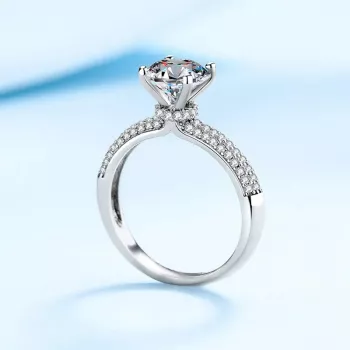
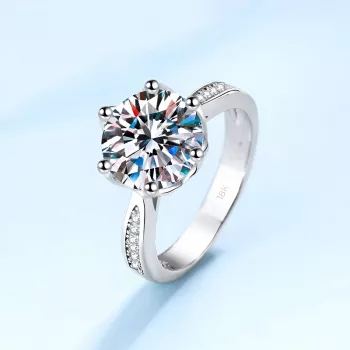
D-color moissanite is commonly chosen for engagement rings because it delivers a bright, classic diamond-like appearance. If you’re investing in higher clarity and a premium setting, going with D color helps keep the overall look clean and consistent—especially under sunlight or bright indoor lighting.
For a closer look at how D color pairs with high clarity in a real ring setting, see this guide: https://brightfurniture.shop/guide-2ct-d-vvs1-moissanite-ring-18k-white-gold-guide/.
For Moissanite D Color Explained: How White Is It?, the best answer depends on fit, material, care instructions, and how the product will be used day to day.
“Better” depends on preference. D is the most colorless, while G/H can show a touch of warmth; many people still love G/H because it can look natural and may be harder to distinguish once set.










Leave a comment