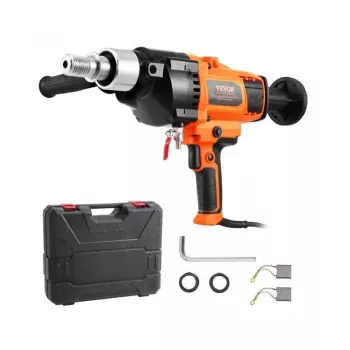
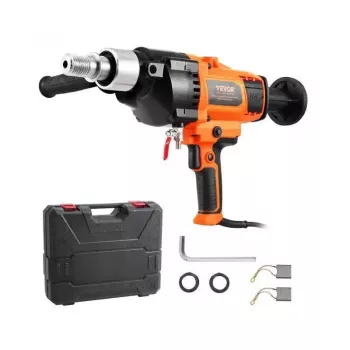
2600W Handheld Diamond Core Drill Machine for Wet & Dry Coring in Concrete and Stone
Handheld diamond core drilling is a practical way to create clean, round holes in concrete, brick, and stone for plumbing, electrical, HVAC, anchors, and retrofit work. A high-power motor paired with the right diamond bit helps reduce chipping, keeps holes on-size, and speeds up repetitive drilling—especially when wet coring is used to control dust and heat.
What This Type of Core Drill Is Used For
A handheld diamond core drill is built for jobsite versatility: fast penetrations through common masonry materials without the bulk of a dedicated stand for every hole. With the right bit and steady technique, it’s a solid fit for both trades and serious DIY work.
- Typical projects: pipe sleeves, conduit penetrations, vent lines, rebar-safe pilot holes (bit-dependent), and pass-throughs for cables and drains
- Common materials: poured concrete, masonry block, brick, granite/stone surfaces (bit selection matters)
- Where handheld shines: tighter spaces, ladder work, short runs, and jobs where a full rig is unnecessary
- When a stand/rig is preferable: larger diameters, deep coring, or when perfect perpendicular alignment is required
Quick Specs and At-a-Glance Details
This machine sits in a higher power class for handheld coring, aimed at maintaining speed under load and keeping progress consistent when the aggregate gets tough.
- Power class: 2600W motor for demanding masonry coring and faster progress under load
- Wet and dry capability: wet coring for longer bit life and lower dust; dry use for convenience when water control is difficult
- Handheld format: portable handling with the tradeoff that technique and bracing matter for clean results
- Best results: pair the machine with the correct diamond core bit diameter, segment type, and shank/adapter
Wet vs. Dry Coring: Choosing the Right Method for the Job
Both methods can work, but they behave differently in real concrete. Wet coring usually delivers smoother cutting with less wear; dry coring can be convenient when water is difficult to manage.
- Wet coring benefits: reduces airborne dust, cools segments, typically drills faster, and extends diamond bit life
- Wet coring considerations: water supply and containment, slurry management, protecting nearby finishes and electrical components
- Dry coring benefits: faster setup, easier for quick penetrations, useful where water is prohibited or hard to manage
- Dry coring considerations: more heat and dust, greater likelihood of glazing the segments, and stricter need for dust control
- Rule of thumb: use wet coring for dense concrete and larger diameters; reserve dry coring for smaller holes or short runs with effective dust extraction
When drilling dry, crystalline silica exposure is a major jobsite concern. Review guidance from OSHA’s Respirable Crystalline Silica Standard (Construction) and control methods outlined by CDC/NIOSH.
How to Get Clean, Accurate Holes (Setup and Technique)
Handheld coring rewards a calm, controlled approach. Most rough holes come from rushing the start, misalignment, or forcing feed pressure when the bit wants to cut at its own pace.
- Mark and verify: confirm location, check both sides of the wall/floor, and avoid hidden utilities using a detector when appropriate
- Start control: begin at a low angle to establish a shallow groove, then bring the drill to perpendicular to prevent skating (surface-dependent)
- Stabilize the tool: use a firm two-hand grip, brace against a solid point, and avoid twisting that can bind the bit
- Manage feed pressure: steady pressure drills faster than forcing; excessive force overheats segments and increases the chance of snagging
- Clear the cut: periodically ease off to allow slurry/dust removal and reduce binding, especially in deeper holes
- Finishing: slow down near breakthrough to minimize spalling on the exit side; consider backing material when possible
Bit Selection and Compatibility Essentials
Core drills perform as well as the bit you mount to them. Choosing the right segment design and ensuring a proper fit can prevent wobble, binding, and premature wear.
Safety and Jobsite Controls for Concrete and Stone Drilling
Maintenance Checklist for Consistent Performance
More In-Stock Picks
FAQ
Can this machine be used for both wet and dry coring?
Yes—this type of handheld core drill supports both wet and dry use. Wet coring is typically preferred for cooling and dust reduction, while dry coring can be useful for quick penetrations when water control is difficult, provided dust is controlled properly.
What diamond core bit should be used for concrete versus stone?
Use a diamond core bit that’s rated for the specific material (reinforced concrete, masonry, or stone) and sized for the required hole diameter and depth. Also verify the correct thread/adapter fit, since segment bond and design vary based on hardness and abrasiveness.
How can chipping be reduced when breaking through the far side of a wall?
Reduce feed pressure as you approach breakthrough and keep the bit aligned to avoid levering the edge. Wet coring often helps, and if the exit side is accessible, supporting it can minimize spalling.
Recommended for you










Leave a comment