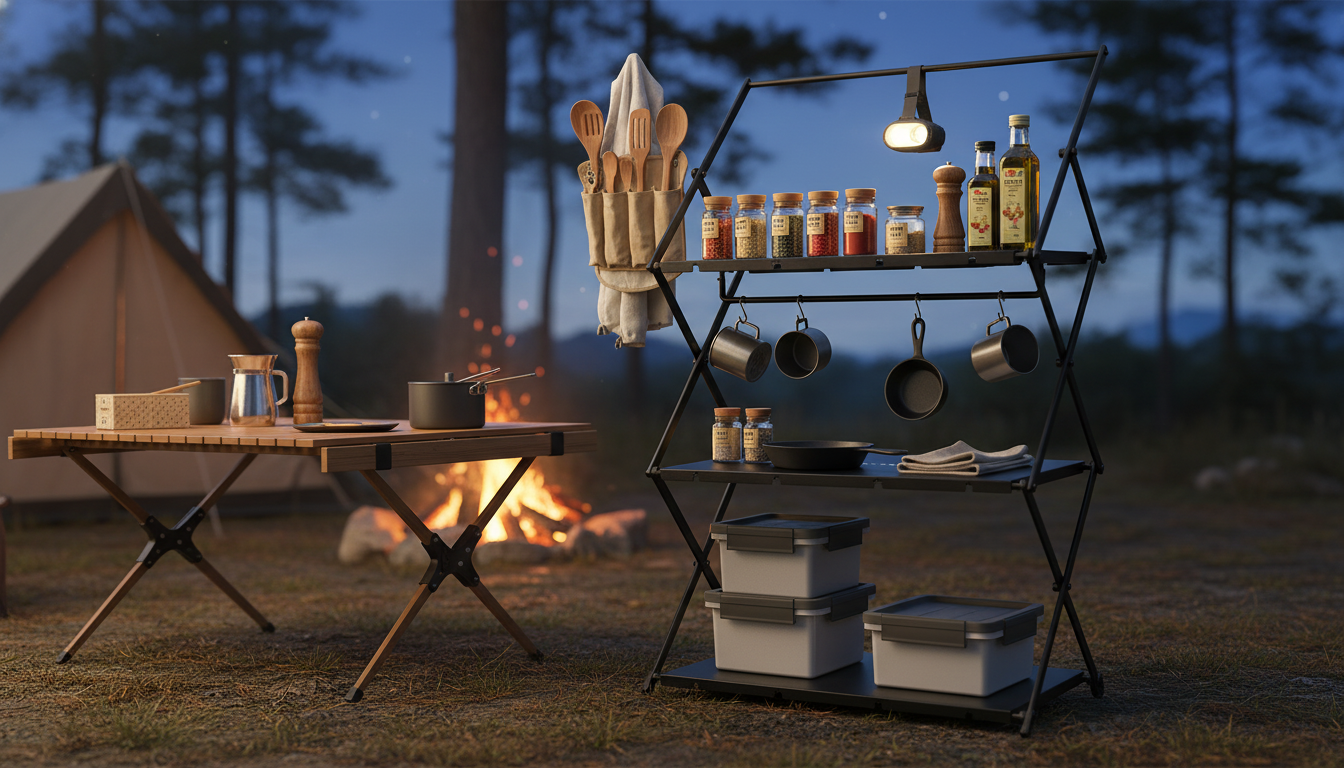
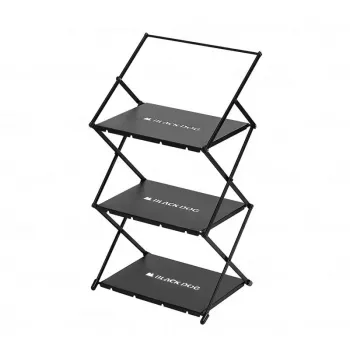
A tidy prep area can make camp cooking faster and less stressful. A 3-tier aluminum camping shelf adds vertical storage for cookware and food, plus a coat hanger bar and spice rack to keep frequently used items within reach at the table, tent, or tailgate. Instead of stacking gear in totes (and re-opening them all day), you can set up a small “kitchen station” where everyone knows exactly where the spices, towels, and tools live. For more guidance, see 4-Tier Magnetic Spice Rack For Refrigerator – Black Metal With ….
Better organization also supports safer outdoor meals: keeping ingredients separated, keeping utensils easy to grab, and reducing the chances of items getting contaminated by sand, dirt, or wet ground. For broader best practices around outdoor cleanup and food handling, it helps to follow Leave No Trace’s Seven Principles and the CDC’s guidance on food safety while camping. For further reading, see [PDF] Missouri Food Code.
Even at well-equipped campground sites, it’s easy for a picnic table to become a clutter magnet. A vertical shelf helps preserve a clean workspace for cutting, stirring, and plating—while keeping the “grab frequently” items (spices, napkins, mugs) organized at arm’s reach.
| Component | What it’s for | Packing tip |
|---|---|---|
| Top shelf | Small, quick-access items (cups, seasonings, napkins) | Pack lighter items up high to reduce tipping risk |
| Middle shelf | Daily-use tools (cutting board, stove accessories, utensils) | Use a small bin to group utensils and keep the surface clear |
| Bottom shelf | Heavier items (pots, water jug, pantry bin) | Keep weight low for stability and easier access |
| Coat hanger bar | Jackets, towels, lanterns, trash bag loop | Use S-hooks or carabiners for fast hang-and-go |
| Spice rack | Spice jars, oils, sauces | Place leak-prone bottles in a small tray or zip pouch |
For quick overnights, this kind of shelf can replace the “everything on the ground” approach. Set it next to your stove or grill, place the pantry bin on the bottom, and keep the middle shelf as the active cooking zone—then you’re not constantly searching for the same spatula, towel, or seasoning mix.
A simple routine helps: set the shelf where it won’t block foot traffic, build from the bottom up (heavy to light), and leave one “empty landing spot” on the middle shelf for hot tools like tongs or a spoon rest. That small buffer space prevents the cascade of clutter that tends to happen during busy meals.
Capacity varies by model and construction, so the most accurate number is the rated limit listed on the product page/specs. For best performance, keep heavier items on the bottom tier, avoid uneven loading, and don’t let bulky cookware hang beyond the shelf edges.
It’s typically suited for towels, jackets, and other light gear; using carabiners or S-hooks makes hanging quick and secure. Avoid swinging heavy loads, and keep any heat sources safely separated from fabric items.
Use uniform jars when possible, tighten lids before each trip, and place oils or sauces in a small tray or zip pouch to catch drips. During transport, pack liquids separately so bumps and vibration don’t create leaks across the shelves.








Leave a comment