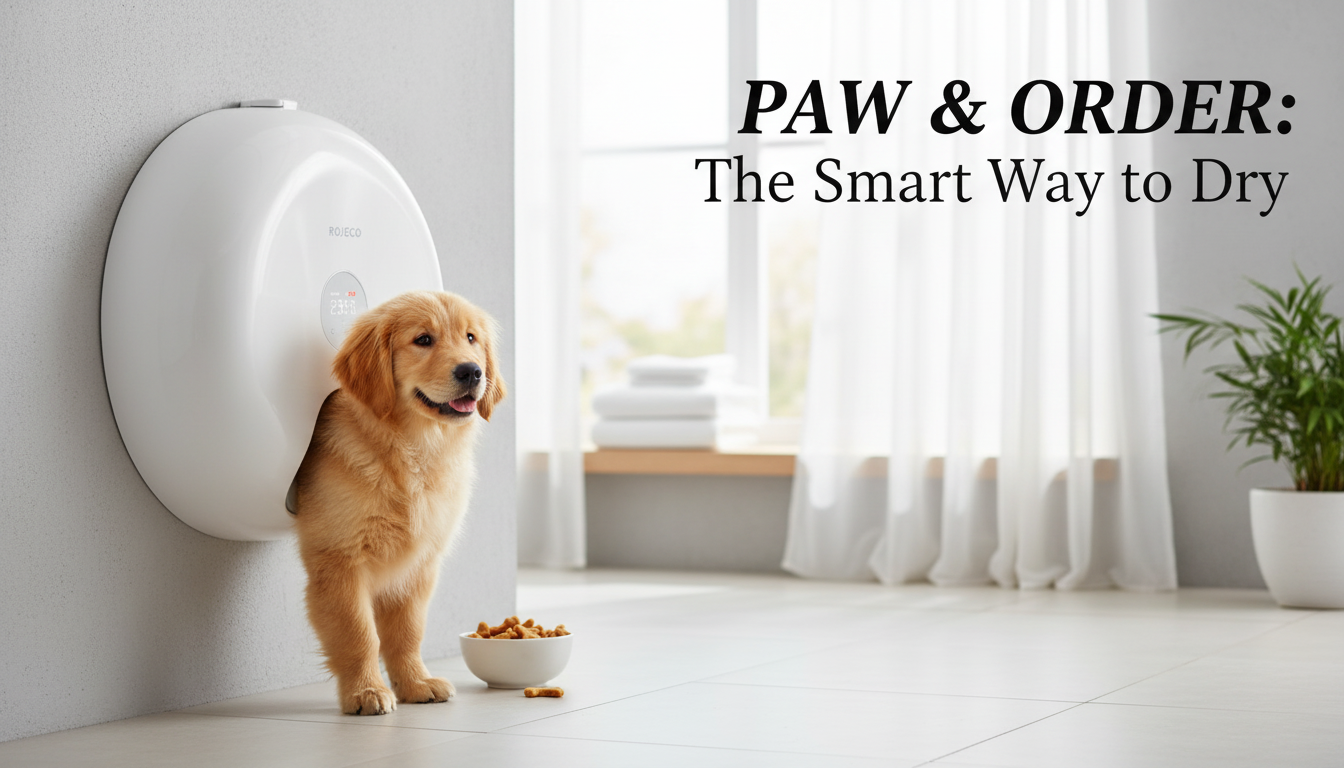
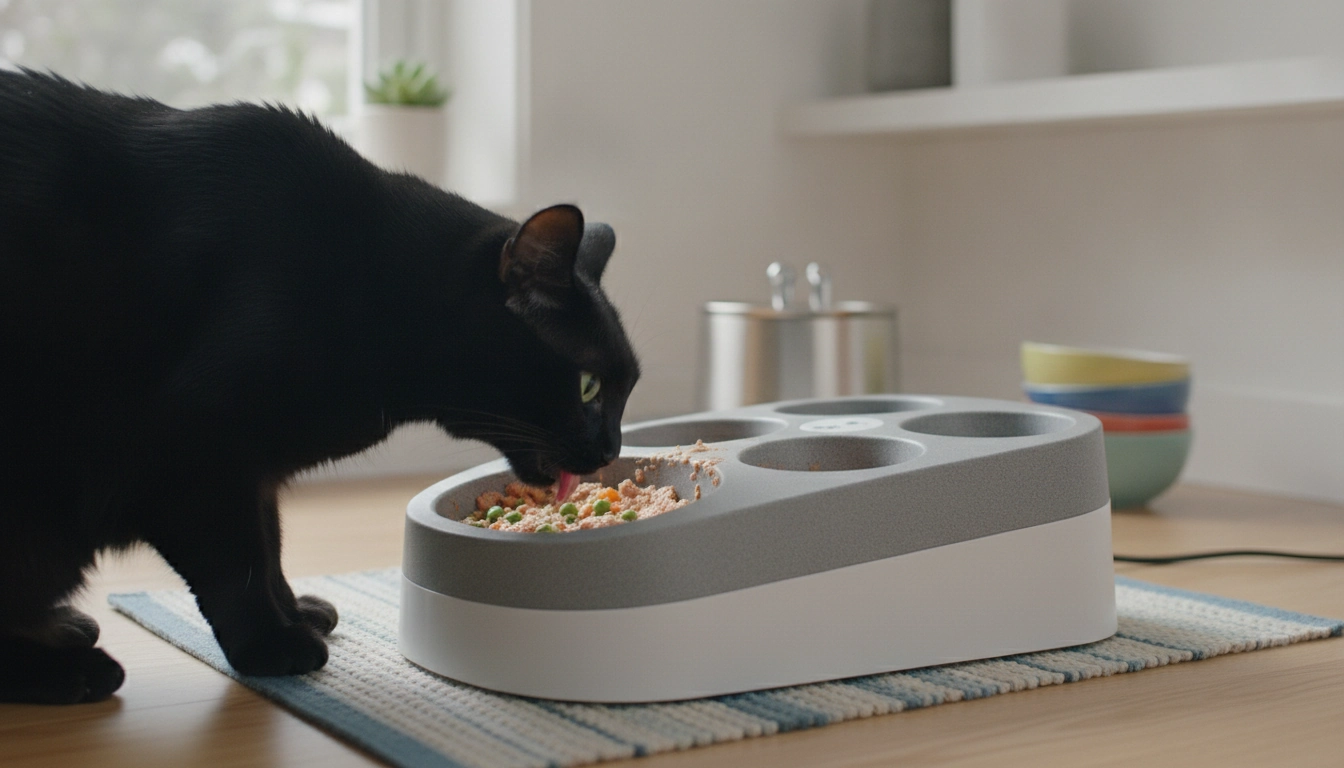
A timed feeder can support consistent routines, measured portions, and fewer rushed mealtimes—especially on long workdays or early mornings. A 6-meal design is built for planned feedings across the day while keeping food protected between meals. Below is a practical breakdown of what to look for, how to set it up, and how to keep it working smoothly for everyday cat care.
A six-compartment automatic cat feeder is designed for structure. Instead of relying on “whenever someone is home,” meals can happen at dependable times—without leaving food exposed all day.
For cats that thrive on consistency, the biggest “quality of life” improvement is often routine: same place, same sound, same schedule. Pairing that routine with measured portions can also make it easier to track how much is actually being served over a full day.
Not all timed feeders handle the same foods or the same household realities. A few details make the difference between a feeder that simplifies life and one that becomes another chore.
It also helps to think about “real life” friction: how easy it is to see what’s loaded, whether the feeder sits firmly on hard floors, and how quickly you can rinse and dry parts before the next refill.
Different feeding tools solve different problems. A 6-meal feeder is typically chosen for scheduling and portioning—two areas where other options can fall short.
| Option | Best for | Trade-offs |
|---|---|---|
| 6-meal automatic feeder | Planned feedings across the day with protected compartments | Needs initial setup; requires periodic cleaning and refilling |
| Gravity feeder | Free-feeding households with cats that self-regulate | Portions aren’t controlled; can go stale; not ideal for weight management |
| Puzzle feeder | Enrichment and slower eating | May not suit all cats; can be noisy/untidy; not always hands-off |
| Manual bowl feeding | Maximum flexibility and bonding at mealtime | Easy to miss a meal during busy schedules; less consistent timing |
For households managing long workdays, the biggest edge of a timed feeder is reliability. For households prioritizing enrichment, puzzle feeders can be excellent—just less “set-and-go” for early mornings or late meetings.
The most successful schedules start with a daily target and then make that target easy to deliver consistently. If a cat is on a weight plan, ask your veterinarian for a daily calorie goal and use the food label to convert calories into a measured portion (cups/grams).
General nutrition guidance can be found through veterinary organizations such as the AAHA nutrition and weight management guidelines and the WSAVA Global Nutrition Guidelines.
Many cats adjust quickly, but the first few days matter. The goal is to make the feeder predictable and boring—in a good way.
For general handling and hygiene best practices, the FDA’s tips for safe handling of pet food is a helpful reference.
| Item | Value |
|---|---|
| Product | 6-Meal Automatic Pet Feeder for Cats |
| Price | $98.47 USD |
| Availability | In stock |
Yes—pre-measured portions and consistent timing can support a weight plan, but the daily calorie target should come from a veterinarian. Transition gradually and monitor body condition so the plan stays safe and realistic.
It depends on the feeder’s design and whether the compartments are intended for wet or semi-moist food. If wet food is used, follow food-safety time limits, clean frequently, and discard leftovers rather than leaving them out for extended periods.
Some feeders keep schedules stored in memory or use battery backup, while others may reset. Test your unit ahead of time and keep a simple manual feeding plan ready in case an outage interrupts the schedule.









Leave a comment