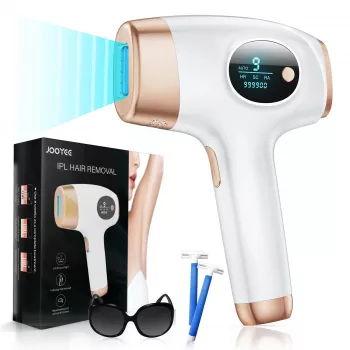
At-home IPL devices reduce hair regrowth by sending pulses of light into the hair root. Results depend on consistent sessions, a good match between hair color and skin tone, and careful technique. This guide covers realistic timelines, safety basics, and a simple routine that fits into weekly upkeep.
IPL stands for intense pulsed light. Unlike a single-wavelength laser, IPL uses broad-spectrum light that targets melanin (pigment) in the hair. When that pigment absorbs light, it warms the follicle area and can disrupt regrowth over time.
Hair doesn’t grow all at once. It cycles through phases, and IPL is most effective when a hair is in its active growth phase (anagen). That’s why one session rarely makes a dramatic difference—multiple treatments are needed to “catch” more hairs at the right time.
At-home IPL is also different from in-office laser hair removal. Home devices are built for convenience and gradual change. With steady use, many people see smoother skin and slower regrowth, but it typically takes patience and a routine.
The strongest match is usually darker hair on lighter-to-medium skin tones. Higher contrast helps the device focus more energy into the hair pigment rather than surrounding skin.
Very light blonde, red, gray, or white hair often responds less, since there may be too little melanin to absorb enough light for meaningful disruption. If hair is very fine or light, expectations should be conservative.
Darker skin tones can be at a higher risk of burns or discoloration with many IPL devices because more melanin in the skin can absorb the light. Always follow your device’s guidance and perform a patch test before committing to full coverage.
| Factor | Why it matters | What to do |
|---|---|---|
| Hair color | IPL targets melanin | Expect strongest results with darker hair; manage expectations with very light hair |
| Skin tone | Higher melanin in skin can absorb light | Use conservative settings and patch test; follow device safety guidance |
| Area | Some areas are more sensitive | Start with less sensitive zones (legs/arms) before face or bikini line |
| Consistency | Cycle-based regrowth requires repeats | Set a schedule and track sessions for at least 8–12 weeks |
Shave the area shortly before treatment so the light energy concentrates below the skin surface rather than singeing hair above it. Avoid waxing or epilating because those methods remove the root that IPL needs to target.
Remove deodorant, perfume, lotions, oils, and self-tanner before treatment. Product residue can increase irritation risk and may affect how evenly the light reaches the hair.
Use a small test spot at a lower intensity and wait 24 hours. If you notice excessive redness, blistering, unusual swelling, or pigment changes, don’t continue and consider medical advice.
Avoid flashing near the eyes and never use IPL on eyebrows. If your device includes eye protection, use it as directed.
Hold the treatment window flat against the skin, then move methodically in rows so you don’t miss patches. Avoid repeatedly flashing the exact same spot in one session, which can increase irritation without improving results.
For additional general safety guidance, review resources from the American Academy of Dermatology Association and the U.S. Food & Drug Administration.
Most routines follow a “front-loaded” schedule: more frequent sessions early on, then spacing out as regrowth slows.
| Timeframe | Goal | What to track |
|---|---|---|
| First month | Build habit and cover cycles | Date of sessions, intensity used, any redness/irritation |
| Months 2–3 | Increase uniform reduction | Patchiness by area, regrowth speed, missed spots |
| After initial course | Maintain results | Touch-up frequency needed per area |
For a clinic-oriented overview of what “normal” timelines and outcomes can look like, the Mayo Clinic’s laser hair removal guide offers helpful context.
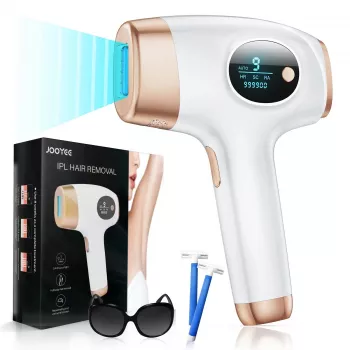
IPL Laser Hair Removal Device is an affordable at-home option designed for gradual hair reduction with consistent use. It’s a practical fit for shoppers who prefer a home routine and are comfortable committing to several weeks of sessions.
If you want a dedicated place to keep your device and accessories, an everyday carryall like the Elegant Women’s Leather Tote Bag – 14 Inch Laptop Briefcase for Work & Daily Use can double as a neat storage option between treatments (especially when moving between rooms or packing for a trip).
| Item | Price | Availability |
|---|---|---|
| IPL Laser Hair Removal Device | $74.51 | In stock |
IPL is generally considered long-term hair reduction rather than permanent removal. Many people see slower regrowth and fewer hairs, but touch-up sessions are common over time.
Shaving (or trimming) is typically recommended so the light can target the follicle beneath the skin. Waxing and epilating remove the root, which can make IPL less effective.
Many users start noticing changes after several weeks, with more visible reduction often appearing over 8–12 weeks of consistent sessions. Timelines vary by area, hair density, and the contrast between hair color and skin tone.








Leave a comment