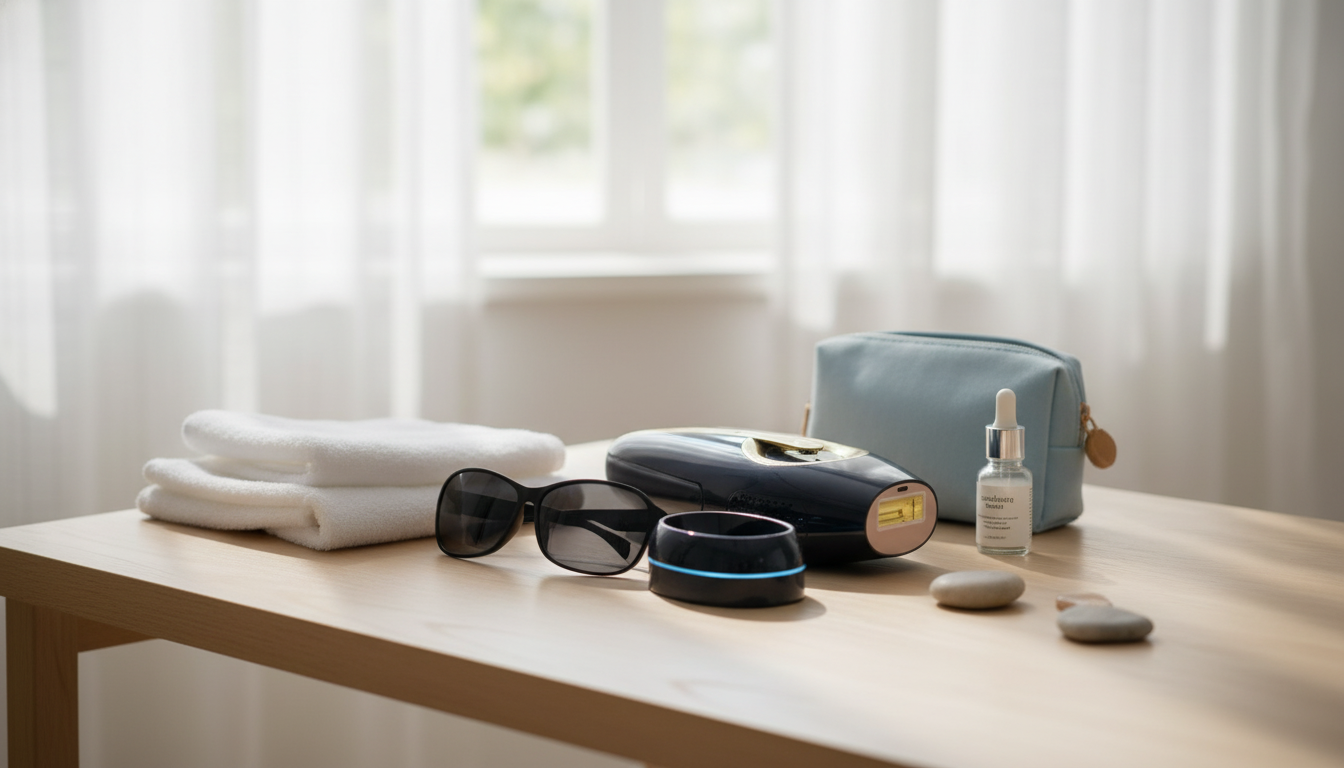
A portable IPL device can help reduce hair growth across multiple areas—face, legs, underarms, and bikini—without the time and cost of frequent salon visits. The key is understanding how IPL works, what “painless” tends to feel like in real life, and how to pace sessions safely so skin stays calm while hair looks progressively finer over time. For more guidance, see Best At-Home Laser Hair Removal Devices, Evaluated and Reviewed.
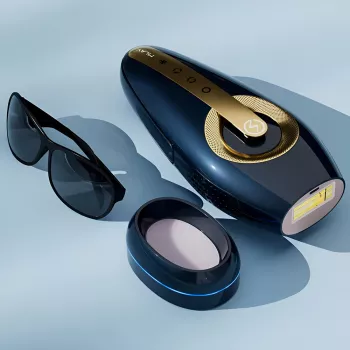
IPL (intense pulsed light) uses broad-spectrum light to target melanin (pigment) in the hair. That light energy converts to heat, which can disrupt the follicle’s ability to produce strong regrowth. Because IPL depends on pigment contrast, it generally performs best when hair is darker and the surrounding skin is lighter. For further reading, see MLAY T4 IPL Laser Handheld Hair Removal Machine Ice Cool ….
Hair grows in cycles, and IPL is most effective when hairs are in an active growth phase. That’s why consistency usually matters more than a single “strong” session: a steady schedule increases the odds you’ll treat more follicles at the right time. While professional lasers use a single wavelength and can be more customizable, at-home IPL can still deliver meaningful reduction for maintenance and gradual improvement when used correctly.
For additional safety guidance on light-based hair removal devices, see the U.S. Food & Drug Administration (FDA) overview of Lasers and Intense Pulsed Light (IPL) devices.
Different areas respond differently because hair density, skin thickness, and sensitivity vary. Legs and arms are often easiest to treat consistently, while underarms and bikini can feel more intense due to denser hair and thinner, more reactive skin.
For the face, only treat zones approved by your device instructions. Avoid the eye area and be cautious above the cheekbone. If facial hair growth is driven by hormones, results may require more ongoing maintenance.
| Area | Typical sensitivity | Suggested starting approach | Notes |
|---|---|---|---|
| Legs | Low–medium | Medium intensity if tolerated | Cover in sections; overlap lightly |
| Underarms | Medium–high | Lower intensity first 1–2 sessions | Skin must be fully dry; deodorant removed |
| Bikini line | High | Lowest intensity + patch test | Avoid mucosal areas; take breaks between flashes |
| Face (approved zones) | Medium | Lower intensity and small test area | Avoid eye area; follow device limits closely |
Most people don’t describe IPL as truly “nothing,” but many experience it as a brief warmth or a quick snap against the skin rather than sharp pain. Comfort depends heavily on intensity level, how thick the hair is, and whether you shaved closely beforehand (longer stubble can absorb energy above the surface and feel hotter).
To make sessions more comfortable, start low and build gradually, keep skin clean and fully dry, and pause between flashes on sensitive areas. If you notice persistent pain, blistering, or unusual swelling, stop using the device and seek medical advice rather than pushing through.
Before you begin, confirm you’re a good candidate for IPL. Because IPL targets melanin, it typically works best on lighter skin tones with darker hair. Very light blonde, red, gray, or white hair may not respond well, and deeper skin tones can carry a higher risk of pigment changes if the device isn’t appropriate for that skin tone range.
Also review medications and skincare products. Some prescriptions and active topicals can increase photosensitivity. For a dermatologist-level perspective on expectations and risks, the American Academy of Dermatology Association’s laser hair removal guidance is a helpful reference.
| Step | Do | Avoid |
|---|---|---|
| Before | Shave + clean + dry skin | Waxing/tweezing; tanning |
| During | Start low intensity; keep window flat | Flashing the same spot repeatedly |
| After | Moisturize; apply SPF on exposed skin | Heat, friction, strong acids/retinoids immediately after |
Outcomes vary based on genetics, hormone shifts, hair/skin contrast, adherence to your schedule, and using an intensity level that’s effective without causing irritation. If you want a clinical overview of typical expectations, Cleveland Clinic’s laser hair removal explainer provides a grounded comparison point for light-based hair reduction.
Many people notice early changes in several weeks, with clearer reduction typically building over 8–12 weeks depending on hair cycles. Consistent sessions and using the highest comfortable intensity level usually matter more than occasional treatments.
It can be used on the bikini line and approved facial zones when you follow the device’s instructions, avoid mucosal/eye areas, and start with a patch test at low intensity. If you have a skin condition, are pregnant, or take photosensitizing medications, it’s safest to ask a clinician first.
IPL is generally described as long-term hair reduction rather than guaranteed permanent removal. Maintenance sessions may be needed, especially if hormones or genetics drive regrowth in areas like the face and bikini line.









Leave a comment