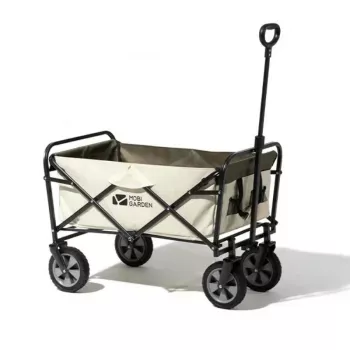
A folding utility wagon can simplify hauling gear across campgrounds, parks, beaches, and event grounds—especially when loads are bulky or awkward to carry by hand. A pull-rod camping trolley helps cut down on repeat trips from the car, keeps hands free for guiding kids or holding doors, and reduces the strain that comes from carrying heavy, shifting items over distance. Below are practical ways to use an outdoor utility wagon, which features matter most, and how to keep it rolling smoothly season after season. For more guidance, see The 4 Best Collapsible Folding Wagons of 2024 Reviews by.
Not all folding wagons feel the same once they’re loaded and rolling. Small design choices—like wheel width, handle angle, and how the frame locks open—make a noticeable difference on grass, gravel, and packed dirt. For further reading, see Heavy Duty Wagon | Beach Carts For Sand | Mighty Max Cart ….
| Feature | Why it matters outdoors | What to confirm before buying |
|---|---|---|
| Weight capacity | Prevents frame stress and wheel wobble under heavy loads | Rated capacity and whether it’s for static vs. moving loads |
| Wheel width & tread | Improves rolling over sand, grass, and gravel | Wheel diameter/width, tread pattern, and bearing feel |
| Handle length & grip | Reduces wrist strain and improves steering control | Adjustability, grip comfort, and how it locks in place |
| Folded size | Fits in vehicle trunk and storage spaces | Folded dimensions and whether wheels detach or fold inward |
| Fabric durability | Resists abrasion from gear corners and branches | Material thickness, seam reinforcement, and corner guards |
| Frame and joints | Determines long-term stability and smooth folding | Locking mechanisms, joint play, and corrosion resistance |
Efficient loading is what keeps a wagon stable and easy to steer. A few habits can prevent wheel twist, tipping, and premature fabric wear.
A wagon reduces carrying, but loading and unloading still involves lifting. Basic body mechanics and a controlled pace make a difference, especially with coolers and water containers. For practical lifting guidance, see NIOSH lifting and back safety resources.
Utility wagons shine where rolling beats carrying—think firm paths, packed dirt, and event grounds. For low-impact camping habits, review guidance from the Leave No Trace Center for Outdoor Ethics, and plan camp logistics with basics from the National Park Service camping resources.
It can, but performance depends on wheel width/diameter and how heavy the load is. Wider wheels and lighter loads roll better on soft surfaces; for deep sand, expect slower movement and plan on multiple lighter trips.
Keep the heaviest items low and centered, balance weight left-to-right, and avoid tall stacks that can shift. On slopes, keep a hand on the wagon and unload the heaviest item first.
Rinse dirt and sand from wheels and axles, wipe the fabric with mild soap and water, then let everything dry completely. Store it dry to prevent odors and mildew, especially after beach or rainy trips.










Leave a comment