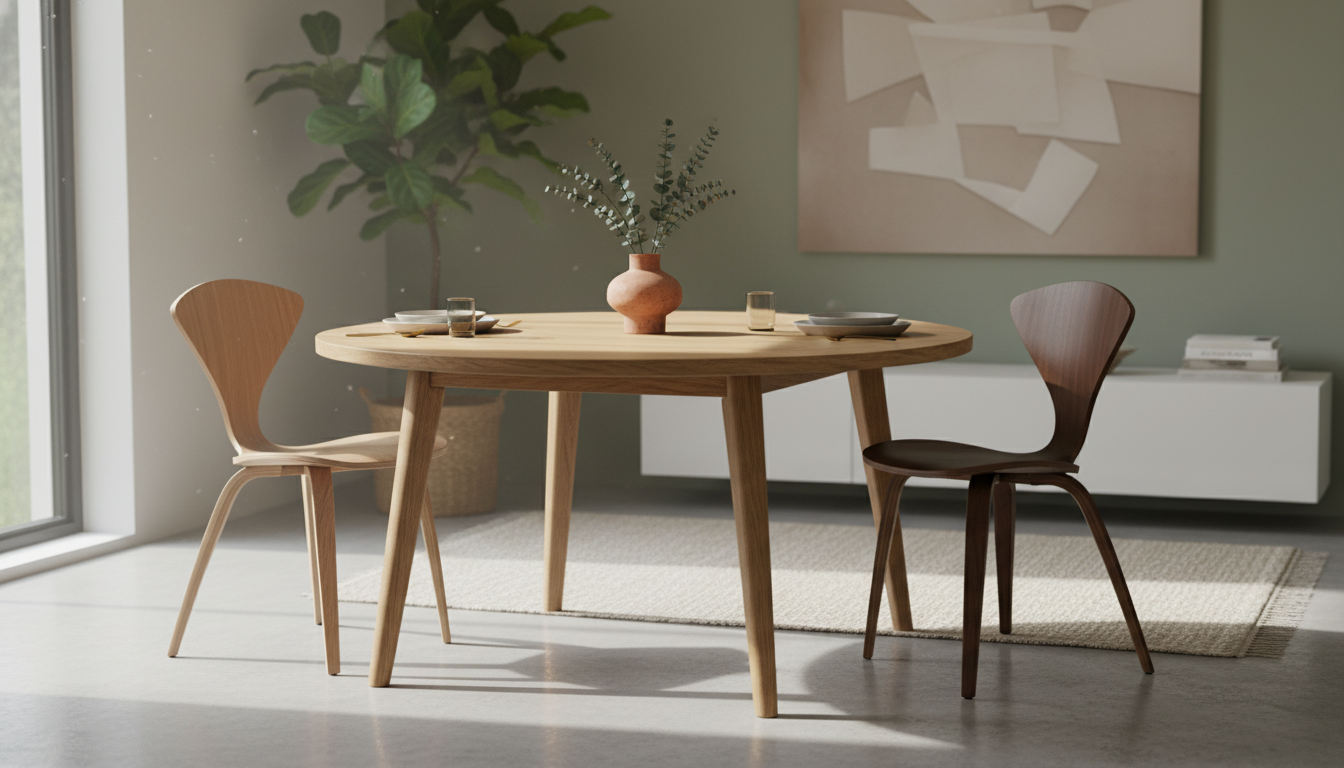
A solid wood dining chair can anchor a dining space with warmth, strength, and a timeless feel. The right choice balances comfort for long meals, reliable joinery that stays tight over time, and a finish that handles daily life while complementing the room’s style. When those pieces come together, a dining chair stops feeling like a “dining-only” item and becomes a dependable seat for homework, coffee chats, and hosting.
Solid wood dining chairs are built from real wood components in the structural parts rather than relying on veneers over engineered cores. That difference tends to show up in day-to-day use: the chair feels more substantial, sits more steadily, and—when well made—can serve for years with fewer loosening issues.
Real wood also brings natural variation. Grain patterns, mineral streaks, and subtle tone shifts mean each chair is slightly unique, even within the same set. Those small differences are normal and often part of the appeal.
Another advantage is repairability. Minor dents can often be touched up, joints can be re-glued if they ever loosen, and many finishes can be refreshed without fully replacing the chair. And compared with many lightweight chairs, the extra weight of solid wood can reduce wobble and contribute to a more grounded, comfortable feel at the table.
Comfort is rarely about a single feature—it’s about how the chair fits the table and how your body settles into it for more than a few minutes.
| Detail to check | What to aim for | Why it helps |
|---|---|---|
| Seat height vs. table height | Enough clearance for legs and comfortable arm position | Prevents knees hitting the apron and reduces shoulder tension |
| Chair width | Adequate room per place setting | Improves comfort and reduces crowding |
| Backrest angle | Supportive, slightly reclined feel | Encourages longer, more comfortable meals |
| Seat depth | Supports thighs without cutting into the back of the knees | Reduces numbness and improves circulation |
| Floor protection | Felt pads or glides | Prevents scratches and makes chairs easier to move |
Wood species influences hardness, grain character, and weight. Denser woods generally resist dents better, while more open-grain woods show texture more prominently—both can be excellent, depending on the look and lifestyle you’re pairing the chairs with.
Joinery is a major indicator of long-term strength. Mortise-and-tenon construction or well-executed dowel joinery typically holds up better than weak corner blocks or staple-heavy assembly. When evaluating a chair, look for tight seams, consistent sanding, and even finish coverage in areas that are easy to overlook (like the underside and inner corners).
A quick stability check matters, too: the chair should sit flat without rocking, and the back should feel firm without joint flex. Wood is a living material that can move slightly with seasonal humidity changes; a well-built chair is designed to handle that movement without becoming loose.
For those interested in responsible sourcing, wood certification can be a helpful signal. Learn more about certification at the Forest Stewardship Council (FSC). For a deeper technical look at wood properties and performance, the USDA Forest Service Wood Handbook is a widely cited reference.
Common chair finishes include lacquer, polyurethane, and oil or wax blends. In many dining rooms, a protective film finish (such as lacquer or polyurethane) is a practical choice because it tends to resist water rings and staining better during everyday use.
If your dining area includes a rug, low-pile options are typically easier for chair movement. Glides help reduce snagging and keep the rug looking smoother over time. To round out the space, a storage piece can balance the room and add function—consider a clean-lined option like the Modern Nordic TV Stand and Storage Dresser for extra serving space, linens, or dining accessories.
For an easy upgrade that brings natural texture and dependable structure to everyday meals, the Solid Wood Dining Chair is a strong choice for dining rooms, breakfast nooks, or even as an accent chair near a console or sideboard. Stock can shift quickly, so confirming quantity and delivery details before checkout helps keep plans on track.
| Detail | Value |
|---|---|
| Product | Solid Wood Dining Chair |
| Price | $680.32 USD |
| Availability | In stock |
| Current stock | 198 |
They can be, as long as the seat height, seat contour, and backrest angle fit your table and posture. If you want extra softness without changing the look, a thin cushion often makes a noticeable difference.
First check whether the floor is uneven and add felt pads or glides to level the legs. If the wobble comes from loosened joints, re-gluing and clamping the joint with a quality wood glue is often an effective fix.
Use felt glides, lift the chair instead of dragging it, and avoid abrasive cleaners. Wiping spills quickly and occasionally cleaning with a finish-safe product helps preserve the surface over time.










Leave a comment