HomeBlogBlogWhite Tiger Hybrid IEMs: Planar Speed, Punchy Bass

White Tiger Hybrid IEMs: Planar Speed, Punchy Bass

White Tiger Hybrid IEMs: Planar Speed, Punchy Bass

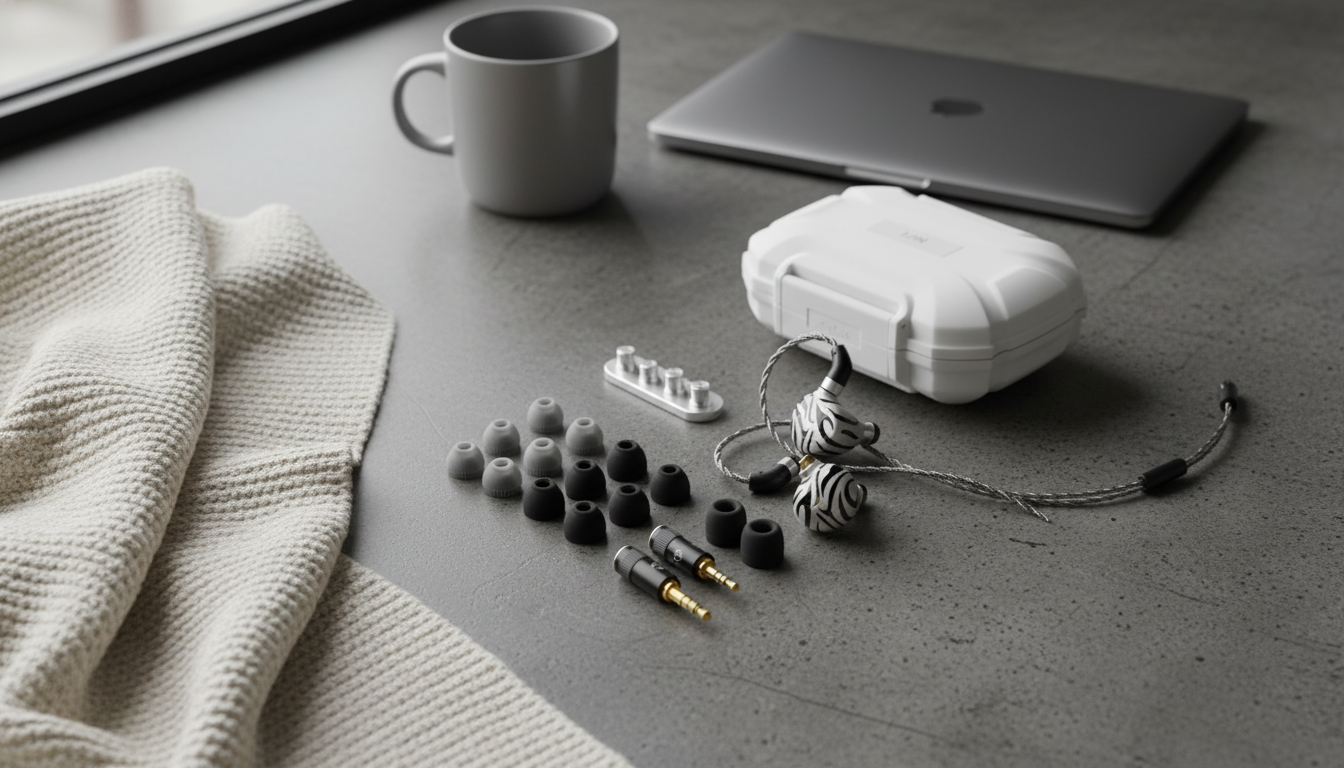
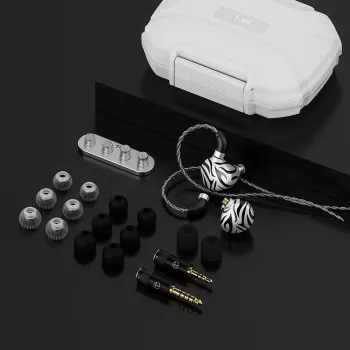
White Tiger In-Ear Headphones with Hybrid Dual Driver & Planar Diaphragm

Designed for listeners who want clarity, speed, and punch in a compact in-ear form, these White Tiger earphones pair a hybrid dual-driver setup with a planar diaphragm element for articulate detail and controlled bass. The result is an immersive, high-energy listen suited to commuting, focused work, and late-night sessions where full-sized headphones feel like too much.

If you’re shopping for an IEM that stays engaging at moderate volume, isolates well, and keeps complex mixes from turning into a blur, the White Tiger In-Ear Headphones with Hybrid Dual Driver & Planar Diaphragm are built around that goal.

What sets the White Tiger sound apart

  • Hybrid dual-driver architecture aims to balance impact and precision across lows, mids, and highs, so bass doesn’t have to come at the expense of vocal presence.
  • Planar diaphragm behavior is typically associated with fast transient response, helping reveal fine texture in vocals, cymbals, and percussion hits.
  • In-ear isolation supports low-volume listening while keeping detail intact in noisy environments like trains, offices, or busy streets.
  • A “clean but lively” presentation can suit modern genres and also flatter acoustic recordings where micro-detail and room cues matter.

For a quick overview of how planar designs work at a high level, see this reference on planar magnetic driver principles.

Hybrid dual driver + planar diaphragm: how it influences listening

Many earphones rely on a single transducer to do everything, but hybrid designs usually divide the workload. That division can change the “feel” of music in small but important ways—especially when tracks get busy.

  • Less strain per driver: A hybrid design typically assigns different parts of the frequency range to different transducers, which can help maintain composure when volume rises.
  • Planar-style control: Planar diaphragms are known for even force distribution across the diaphragm, which can reduce distortion and improve control at louder passages.
  • Tighter bass edges: Expect cleaner attack/decay in low-end notes, so kick drums feel more defined and bass lines are easier to follow.
  • Better layering in dense mixes: When kick, bass guitar, synths, and effects all overlap, separation can keep each element more readable.

In practical terms, the benefit isn’t just “more detail.” It’s the ability to hear where sounds begin and end, which makes the whole presentation feel more organized and energetic.

Comfort, fit, and day-to-day wear

Fit is the difference between “thin and sharp” versus “full and balanced” for most IEMs. Before changing EQ or blaming the source device, it’s worth dialing in the seal.

  • Seal drives bass and tonal balance: Tip size and insertion depth matter. A small leak often causes bass to drop off dramatically.
  • Long-session comfort: Many listeners find comfort improves with slightly shallower insertion paired with the correct tip diameter that still seals.
  • Over-ear cable routing: Wearing the cable over your ear can reduce microphonics (cable noise) during commuting or walking.
  • Fix uneven sound first: If one side sounds thinner, re-seat the earphone and adjust tips before changing EQ—seal issues are the most common cause.

Sound character by music and use case

Electronic and hip-hop

Fast bass definition helps kicks hit cleanly without smearing into sub-bass notes. That “snap” can keep high-energy tracks sounding punchy even at moderate volume.

Rock and metal

Separation can improve readability of layered guitars while keeping snare transients crisp. When mixes get crowded, a cleaner sense of spacing helps prevent fatigue.

Acoustic, jazz, and vocals

Planar-style speed can highlight breath, finger noise, and room ambience for a more intimate, “closer to the mic” feel—useful for singer-songwriter recordings or small ensemble jazz.

Gaming and video

Quick specifications and buying checklist

At-a-glance details

Item Details
Product White Tiger In-Ear Headphones with Hybrid Dual Driver & Planar Diaphragm
Price $79.97 USD
Availability In stock
Best for Detail-focused listening, commuting isolation, gaming/video clarity
Core tech Hybrid dual-driver configuration with planar diaphragm element

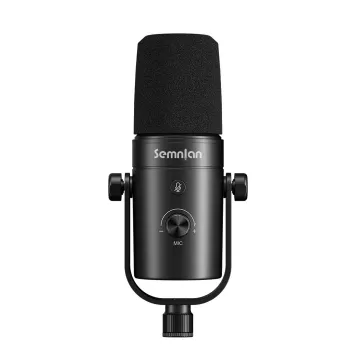
Helpful add-ons for voice and content

Setup, care, and longevity

  • Start low, then raise gradually: In-ear headphones can reach high SPL quickly due to isolation. For safer listening guidance, review NIOSH noise and hearing protection and the WHO safe listening recommendations.
  • Keep tips and nozzles clean: Clean ear tips regularly and keep the nozzle area free of debris to prevent channel imbalance and dull sound.
  • Store to protect the cable: Use a case or pouch to avoid strain at the plug and at the earpiece connectors.
  • EQ with restraint: Small adjustments (1–3 dB) are usually enough; extreme boosts can increase distortion and listener fatigue.

FAQ

What does “hybrid dual driver” mean in in-ear headphones?

It typically means the earphones use two different drivers (or two drivers with distinct roles) to cover the frequency range, so one driver isn’t forced to reproduce everything. This can improve balance, reduce distortion, and keep bass punchy without masking mids and highs.

Do planar diaphragm in-ear headphones need an amplifier?

Many IEMs will play well from phones or laptops, but a clean dongle DAC/amp can improve headroom and reduce background hiss. Output power and noise floor matter more than using a large amplifier.

Why is the bass weak or the sound uneven between ears?

Most often it’s a seal issue—try a different ear tip size and re-seat the earphones so both sides insert consistently. If the problem persists, check for clogged nozzles or debris on the tips that could reduce output on one side.

Was this article helpful?

Yes No
Leave a comment
Top

Shopping cart

×