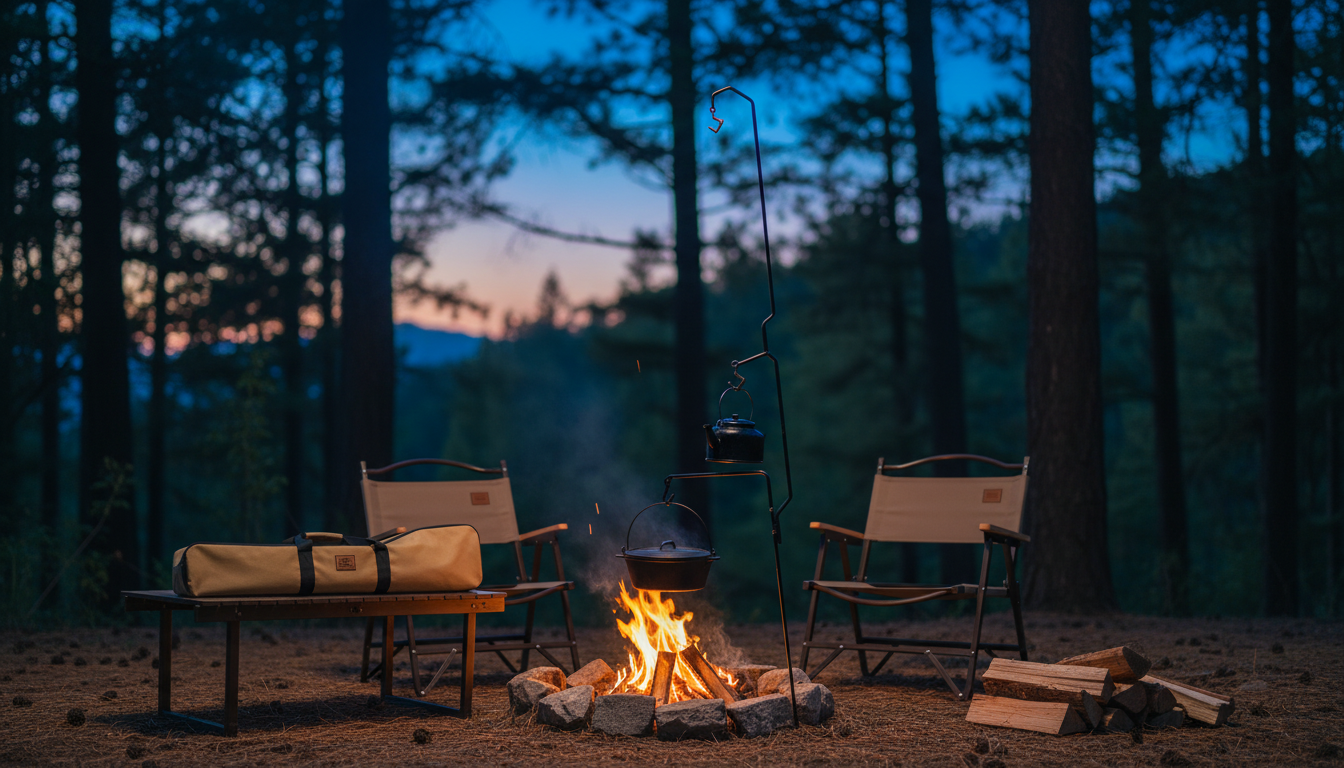
A dependable lighting setup makes camp cooking easier, helps you find essentials fast, and reduces stumbles around the tent after dark. A portable single-leg lamp holder is a simple way to elevate a lantern or LED camp light without taking over your campsite footprint. This iron, detachable design is built for quick placement, repeatable setup, and easier packing—especially when you’re loading gear into a trunk, bin, or overlanding drawer system. For more guidance, see Portable Outdoor Cooking Grill Stand For Camping & Backpacking.
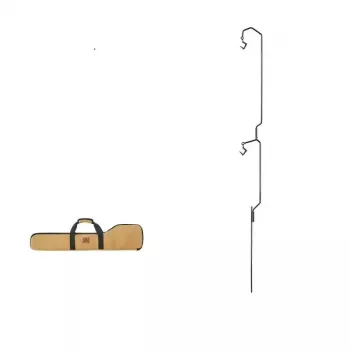
For a straightforward way to get light exactly where you need it, see the Portable Single-Leg Iron Camping Lamp Holder with Detachable Design. For further reading, see Gaomon Portable Wood Burning Tent Stove With Chimney.
Awkward, one-piece poles are the kind of item that ends up strapped to the outside of a pack or wedged diagonally across a vehicle. A detachable lamp holder avoids that hassle by breaking down into smaller components that tuck away neatly.
That last point matters more than it sounds: on trips with late arrivals, you’ll appreciate a light stand that goes from packed to working in a minute or two—without hunting for the “right” tree branch.
Outdoor lighting stands get nudged, leaned on, and exposed to gusty conditions that turn a perfectly aimed beam into a swinging spotlight. Iron construction favors rigidity, helping the holder resist flex once a light is hanging and the wind picks up.
Iron is tough, but it’s not “set it and forget it” in wet environments. A quick wipe-down and drying routine goes a long way toward keeping the finish in good shape for the next trip.
Even the best lamp holder performs better with smart placement. A few small adjustments can reduce sway, improve coverage, and keep your work areas more comfortable.
A practical rule: prioritize lighting the “hands area” (stove, cutting board, gear bin) rather than blasting the entire campsite. Lower glare usually means fewer bugs in your face and more comfort for everyone nearby.
For broader camp safety guidance, review the National Park Service recommendations at NPS — Camping Safety. For practical lighting tips and types of camp lights, REI’s overview is also helpful: REI Co-op — Camp Lighting Basics.
| Item | Recommendation | Why it helps |
|---|---|---|
| Ground choice | Firm, level soil when possible | Improves stability and reduces lean |
| Placement distance | Away from footpaths and tent guy lines | Prevents trips and accidental knocks |
| Light orientation | Aim downward or diffuse off a surface | Reduces glare and broadens coverage |
| Weather handling | Dry components before storing | Helps reduce rust and odors in gear bags |
| Load awareness | Hang only a light/lantern, avoid heavy bags | Reduces bending and tip risk |
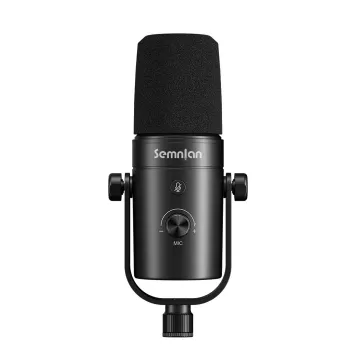
If you’re building a road-trip kit and like documenting camps or recording audio notes while traveling, pair your organized lighting with a compact, durable mic such as the Professional Dynamic Microphone for Streaming, Podcasting & Studio Recording for clear voice capture away from wind-prone phone mics.
Most lanterns or LED camp lights with a hanging loop, hook, or handle can work. Confirm the attachment method fits the holder’s hook/arm and keep the load reasonable to prevent bending or tipping.
Choose firmer soil, avoid sloped spots, and keep the holder away from foot traffic. If conditions are windy, lower the hanging height slightly and do a gentle push test after setup to confirm it stays put.
Yes, but keep generous clearance from tents, tarps, and cooking areas. Treat fuel lanterns as hot, avoid any overhead fabric or flammable materials nearby, and prioritize stable placement so it can’t tip.










Leave a comment