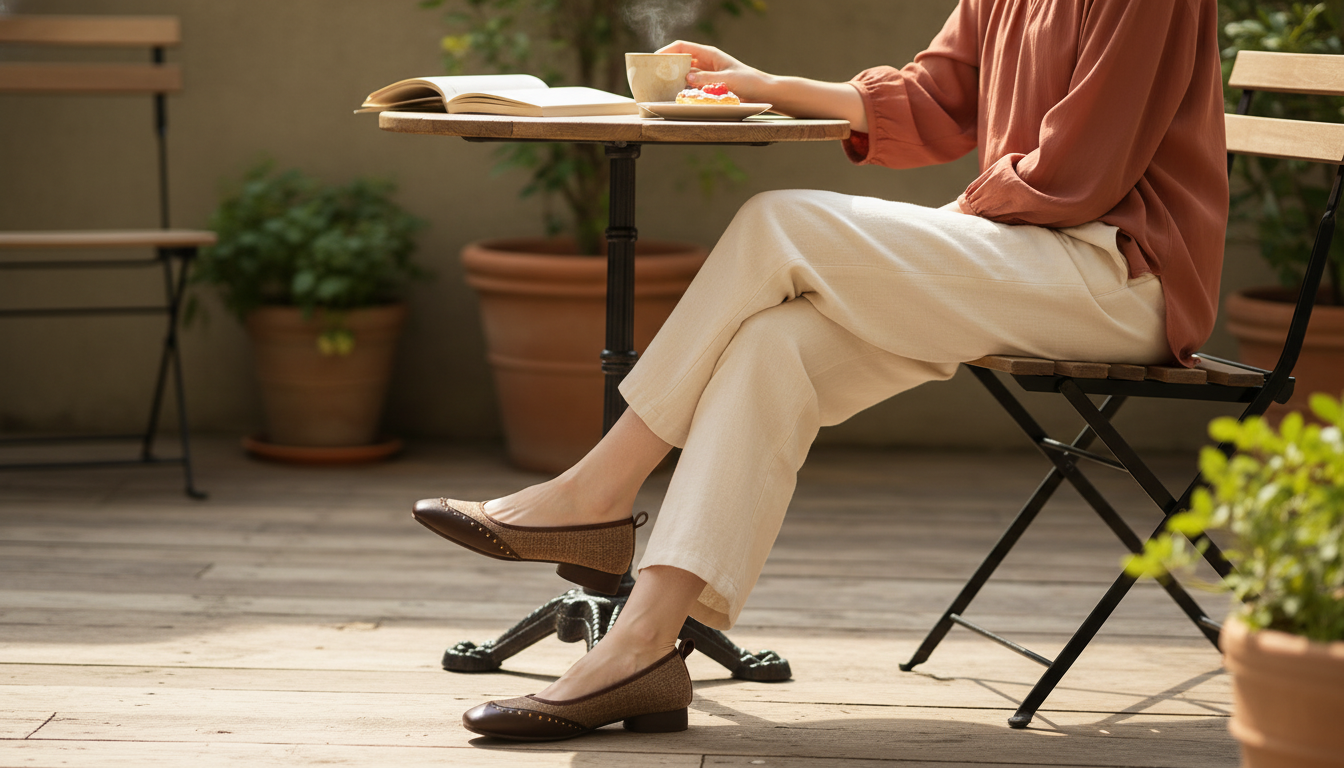
A polished shoe that feels easy can simplify getting dressed. Genuine leather slip-on loafers with a low heel offer a balanced look—structured enough for tailored outfits, relaxed enough for denim, and comfortable for long days on the move. Below are the details that matter most for fit, comfort, styling, and care so your pair looks sharp and wears well over time.
Low-heel loafers sit in that sweet spot between flats and traditional pumps. A subtle heel can add a touch of lift and encourage better posture without the pressure points that often come with higher heels. The slip-on profile also keeps the silhouette clean—no laces, no fuss, and no mid-day re-tying when you’re running between meetings, errands, and everything else.
Style-wise, loafers naturally echo the tailored lines of trousers, blazers, and button-downs, while still looking right at home with straight-leg jeans, knits, and casual jackets. And because genuine leather tends to soften and mold with wear, a well-fitting pair can feel more comfortable over time rather than more rigid. The closed-toe shape also offers the coverage many offices prefer and makes the shoe practical in transitional weather when sandals feel too open.
When loafers are doing the job of an all-day pump, comfort details matter as much as the finish. Start with the insole: cushioning under the ball of the foot can make a noticeable difference during long stretches of standing or walking. Stability is next—look for a low heel that feels planted, paired with an outsole that provides grip on smooth indoor floors.
Inside the shoe, soft lining and well-finished seams help reduce rubbing at the heel and along the vamp (the top of the foot). The toe box should allow natural toe splay; cramped toes are a fast track to fatigue. Finally, a flexible forefoot helps the shoe bend with your step instead of fighting it, which can reduce that “stiff shoe” feeling during a busy day.
For general footwear comfort guidance and what to watch for if pain is recurring, sources like the Cleveland Clinic offer helpful overviews.
Fit is where loafers either become your most-worn pair or the shoes that stay in the closet. Aim for a secure heel that doesn’t lift much when walking; persistent heel slip is one of the most common causes of blisters in slip-ons. Up front, make sure you can wiggle your toes without pressure—especially at the big toe joint.
A practical try-on tip: test shoes later in the day when feet are slightly larger. That simple habit helps avoid buying a pair that feels fine in the morning but tight by afternoon. If you have narrow heels, thin heel grips can improve hold; if the shoe feels slightly loose overall, a cushioned insole can take up a bit of extra volume while adding comfort.
Genuine leather typically relaxes gradually, but it’s not a magic fix for a pair that feels uncomfortably tight. A better rule: expect a “snug but not pinching” fit at purchase, then let wear do the refining. For additional healthy footwear tips, the American Podiatric Medical Association (APMA) is a useful reference point.
| Fit area | What to feel | Simple fix if needed |
|---|---|---|
| Heel | Snug hold with minimal lift when walking | Add heel grips or try a slightly smaller size if excessive slip |
| Toe box | No pinching; toes can move | Choose a wider fit or size up if toes feel compressed |
| Vamp (top of foot) | Secure but not tight; no pressure marks after 5–10 minutes | Use a thinner sock/liner or adjust with a lower-profile insole |
| Arch/ball of foot | Even support; no burning sensation | Add a supportive insole or metatarsal pad for extra cushioning |
To help maintain shape and reduce creasing, use shoe trees (or stuff shoes with clean paper). Let loafers rest between wears so moisture can evaporate; rotating pairs often extends their lifespan. Any cleaner or polish should be spot-tested on an inconspicuous area first. For broader leather sustainability and care context, the Leather Working Group is a well-known industry resource.
Genuine Leather Low Heel Slip-On Loafers for Women – Casual Dress Pumps are a practical choice for building outfits that move from weekday to weekend without needing a shoe change.
Leather can relax and mold to the foot with wear, especially across the vamp and forefoot. It should feel secure at purchase—avoid pairs that pinch strongly with the expectation of major stretching.
Try heel grips or thin liners, ensure the shoe isn’t too long, and consider a slightly thicker insole if there is extra volume. Persistent slipping usually points to a sizing or shape mismatch.
Yes. Pair them with tailored pieces like trousers, skirts, or dresses, and keep the leather clean and conditioned so the finish stays sharp.








Leave a comment