HomeBlogBlogHeat & Cold Massage Gun: Warm-Up + Recovery Guide

Heat & Cold Massage Gun: Warm-Up + Recovery Guide

Heat & Cold Massage Gun: Warm-Up + Recovery Guide

Portable Massage Gun with Heat & Cold Heads: Better Warm-Ups, Calmer Recoveries

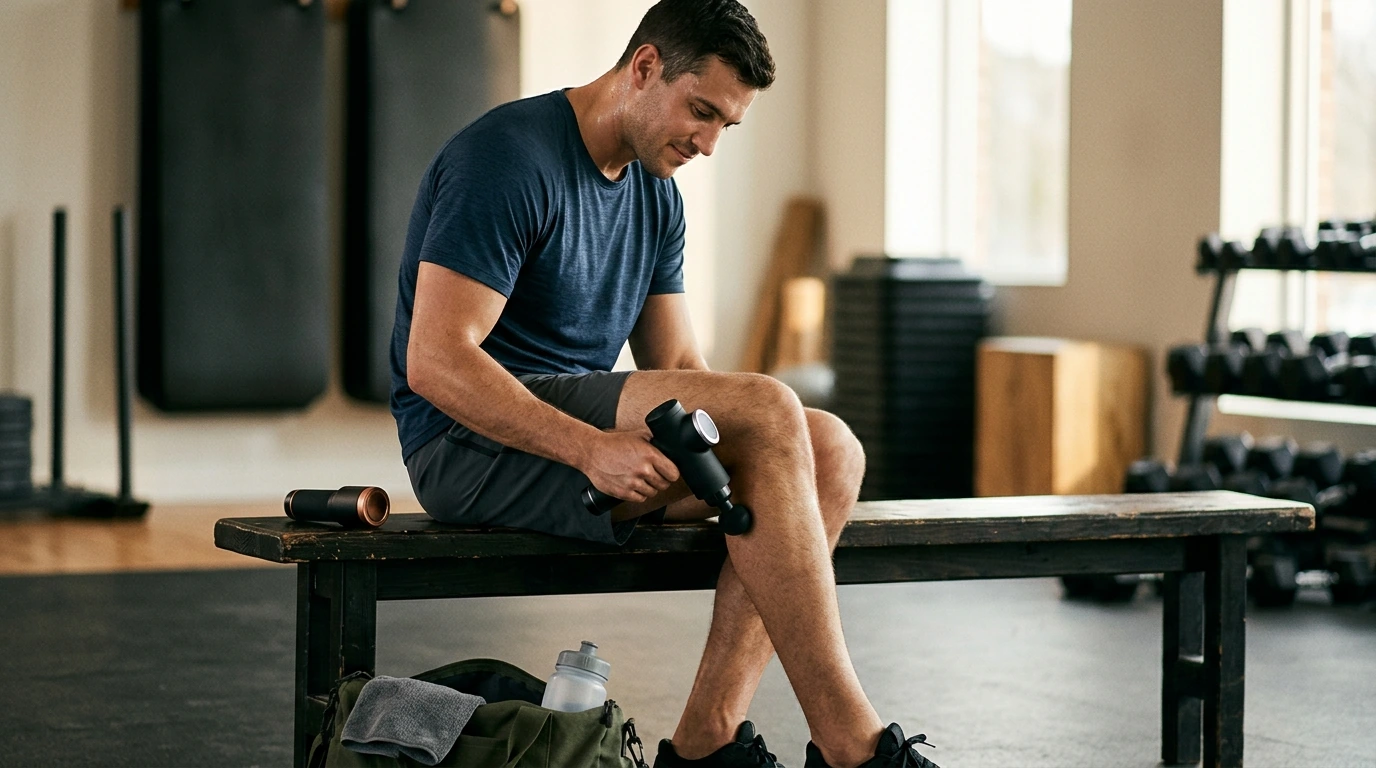
Target stubborn soreness, loosen tight muscles before training, or ease post-workout aches with a compact percussion tool that adds hot and cold therapy. A portable massage gun with heat and cold heads lets you switch from warming comfort to cooling relief in seconds—without packing multiple recovery tools. Below is a practical guide to how these heads work, when each mode fits best, and how to use them safely for consistent results at home, the gym, or on the go. For more guidance, see 12 Best Massage Guns of 2026, Lab-Tested and Reviewed.

What Heat & Cold Massage Heads Add to Percussion Therapy

Percussion massage uses rapid, repeated pulses to stimulate soft tissue. Many people use it to help loosen tight areas, support mobility work, and make recovery routines easier to stick with—especially when time is limited. For further reading, see Considering a massage gun? Here’s what you need to ….

Heat and cold heads add an extra layer of comfort:

  • Heat mode is commonly used when stiffness is the main issue—think tight hips after long sitting, or “rusty” legs before a workout. Gentle warmth can help muscles feel more pliable and ready for movement.
  • Cold mode is often used after activity or flare-ups, when the goal is to calm sensitivity and take the edge off that “hot,” overworked feeling.
  • Alternating heat and cold can be helpful on recovery days or when different areas need different sensations (for example, warming tight glutes but cooling overworked calves).
  • Portability drives consistency: a smaller device that’s easy to grab for a 3–8 minute session is more likely to be used regularly than a bulky tool that stays in a closet.
Heat vs. Cold Heads: When Each Mode Fits Best

Mode Best time to use Common goals Avoid or use caution when
Heat Before workouts, during stiffness, after long sitting Relax tight muscles, improve comfort, easier warm-up Acute swelling, new injury, or areas with reduced sensation
Cold After workouts, after repetitive use, during flare-ups Soothe soreness, calm “hot” feeling, post-activity comfort Cold sensitivity, circulation issues, or prolonged use on one spot
Alternating Recovery days or mixed soreness patterns Balance relaxation and calming effects If either temperature causes discomfort—stop and switch to neutral massage

For general guidance on temperature therapy, see Cleveland Clinic’s overview of heat therapy and Cleveland Clinic’s overview of cold therapy.

Who It’s For

  • Gym-goers and athletes who want quick warm-up support and post-training comfort without adding time-consuming routines.
  • People with desk-related tightness (neck/shoulders, upper back, hips) who do best with brief daily sessions.
  • Travelers and commuters who need a compact recovery tool that fits easily into a bag.
  • Anyone building an at-home routine for legs, glutes, back, and arms—especially when consistency matters more than intensity.
  • Not a substitute for medical care when pain is severe, unexplained, persistent, or accompanied by swelling, numbness, or loss of function.

How to Use a Portable Massage Gun Safely and Comfortably

Comfort should improve during a session—not worsen. A few small technique tweaks make a big difference in how a massage gun feels and how often you’ll want to use it.

  • Start low, build slowly: begin on the lowest speed and increase only if it still feels comfortable and controlled.
  • Keep it moving: glide slowly across the muscle belly. Avoid “digging” into one spot or pressing hard to force a deeper sensation.
  • Use simple timing: aim for 30–60 seconds per area. More time isn’t always better—especially if you’re using heat or cold.
  • Skip risky zones: avoid bones, joints, the front/sides of the neck, and sensitive regions. Stay on larger, fleshy muscle areas.
  • Temperature heads need extra check-ins: use brief passes at first, frequently assess skin comfort, and avoid holding the head stationary in one place.
  • Support the session with basics: hydration, light stretching after, and rest days for heavily trained muscles often make the biggest difference long-term.

Key Features to Compare Before Buying

Suggested Routines (Warm-Up, Recovery, Desk Relief)

Quick warm-up (about 5 minutes)

Post-workout recovery (about 5–8 minutes)

Desk-day reset (about 3–5 minutes)

Tight calves/feet after long standing

Product Spotlight: Portable Massage Gun with Heat & Cold Heads

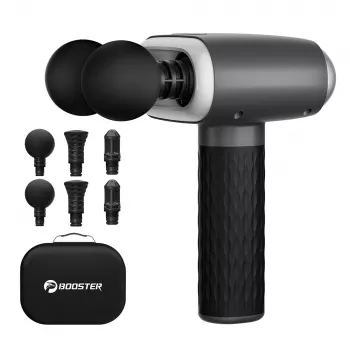
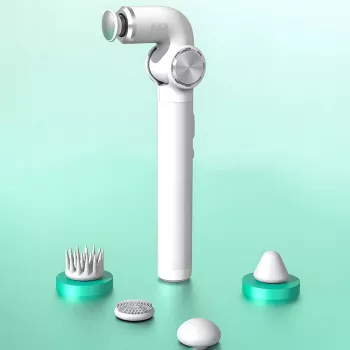
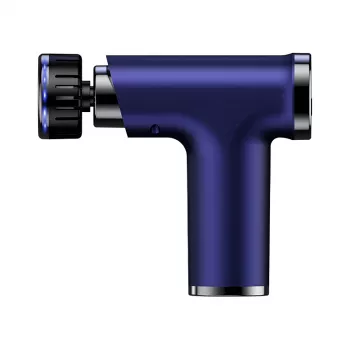
If you want one compact tool that can shift from warm-up comfort to post-activity soothing, the Portable Massage Gun with Heat & Cold Heads is a flexible option for at-home routines, gym bags, and travel. The interchangeable temperature heads make it easy to warm stiff muscles, then switch to cooling relief after training—without changing devices.

At-a-Glance

Product Price Availability Link
Portable Massage Gun with Heat & Cold Heads 62.67 USD In stock View product

More In-Stock Picks for Active Routines

FAQ

Should heat or cold be used first with a massage gun?

Heat is commonly used before activity or when stiffness is the main issue, while cold is commonly used after activity or when an area feels irritated. If alternating, keep each pass brief and stop if either temperature feels uncomfortable.

How long should a massage gun be used on one muscle group?

A practical range is about 30–60 seconds per area while keeping the head moving. Longer sessions aren’t automatically better—stop if you notice sharp pain, tingling, or numbness.

Where should a massage gun not be used?

Avoid bones, joints, the front/sides of the neck, and any area with reduced sensation or acute injury concerns. When unsure, stay on larger muscle bellies and use low intensity.

Was this article helpful?

Yes No
Leave a comment
Top

Shopping cart

×