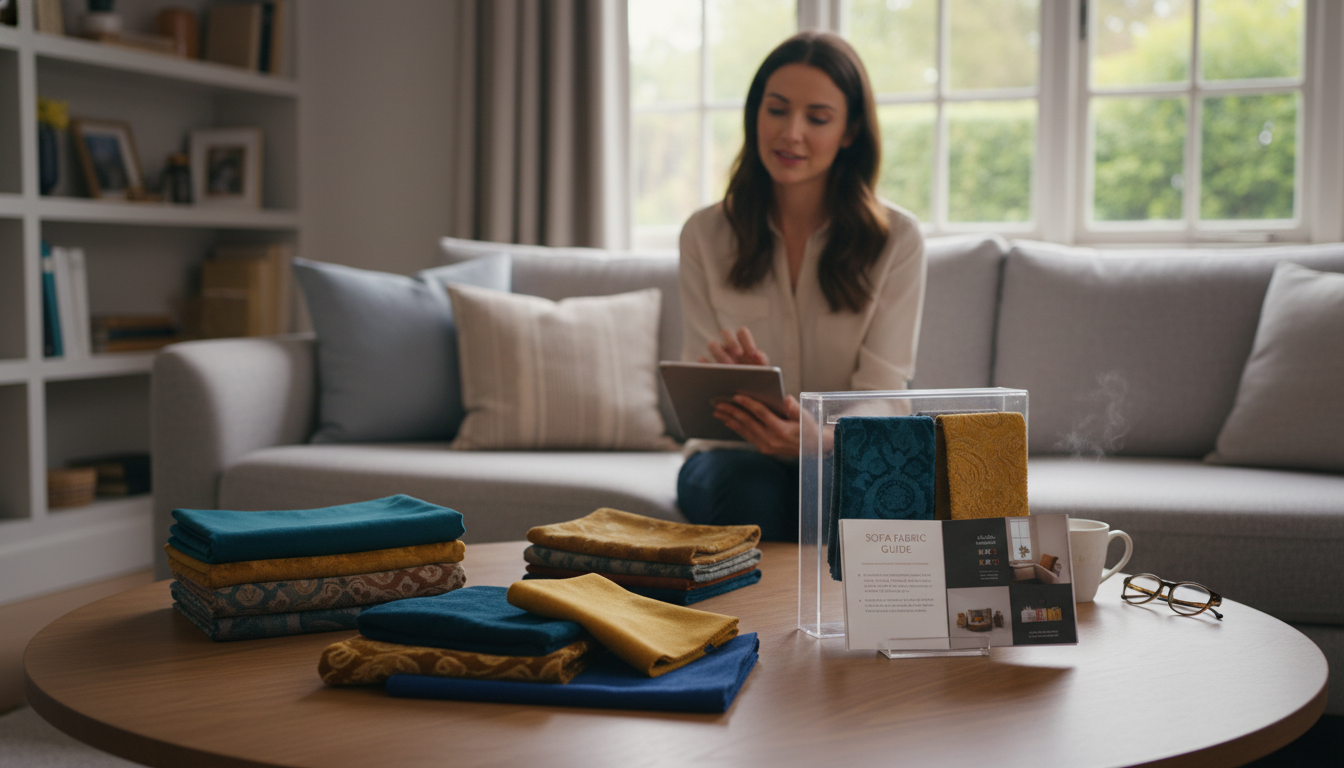
The right sofa fabric has to look good, feel right, and hold up to real life. Use this practical guide to match fabric performance to your household—pets, kids, entertaining, sunlight, and cleaning habits—so the sofa stays comfortable and attractive for years.
Before falling for a color or texture, get clear on how your sofa will actually be used. A fabric that’s perfect for a formal sitting room can disappoint fast in a busy family room.
If you want a quick way to sort your priorities (stain resistance vs. breathability vs. fade resistance), the Choosing the Perfect Sofa Fabric Guide – Expert Tips on Sofa Fabrics, Durability, Comfort & Style for Your Home | Digital Download eBook, Checklist & Design Advice includes a simple checklist you can use while swatch-shopping.
Most upholstery options fall into a few broad categories. The best choice usually comes down to matching the fabric’s strengths to your wear profile.
Two sofas can look similar online yet wear completely differently in real life. These details help you predict how the fabric will behave after months (and years) of use.
| Fabric type | Everyday durability | Comfort/feel | Stain & cleaning | Best for |
|---|---|---|---|---|
| Performance fabric (treated/solution-dyed) | High | Medium–High (varies by weave) | High (often easiest) | Kids, pets, entertaining, light colors |
| Cotton blend | Medium | High (breathable) | Medium (depends on finish) | Casual living rooms, moderate traffic |
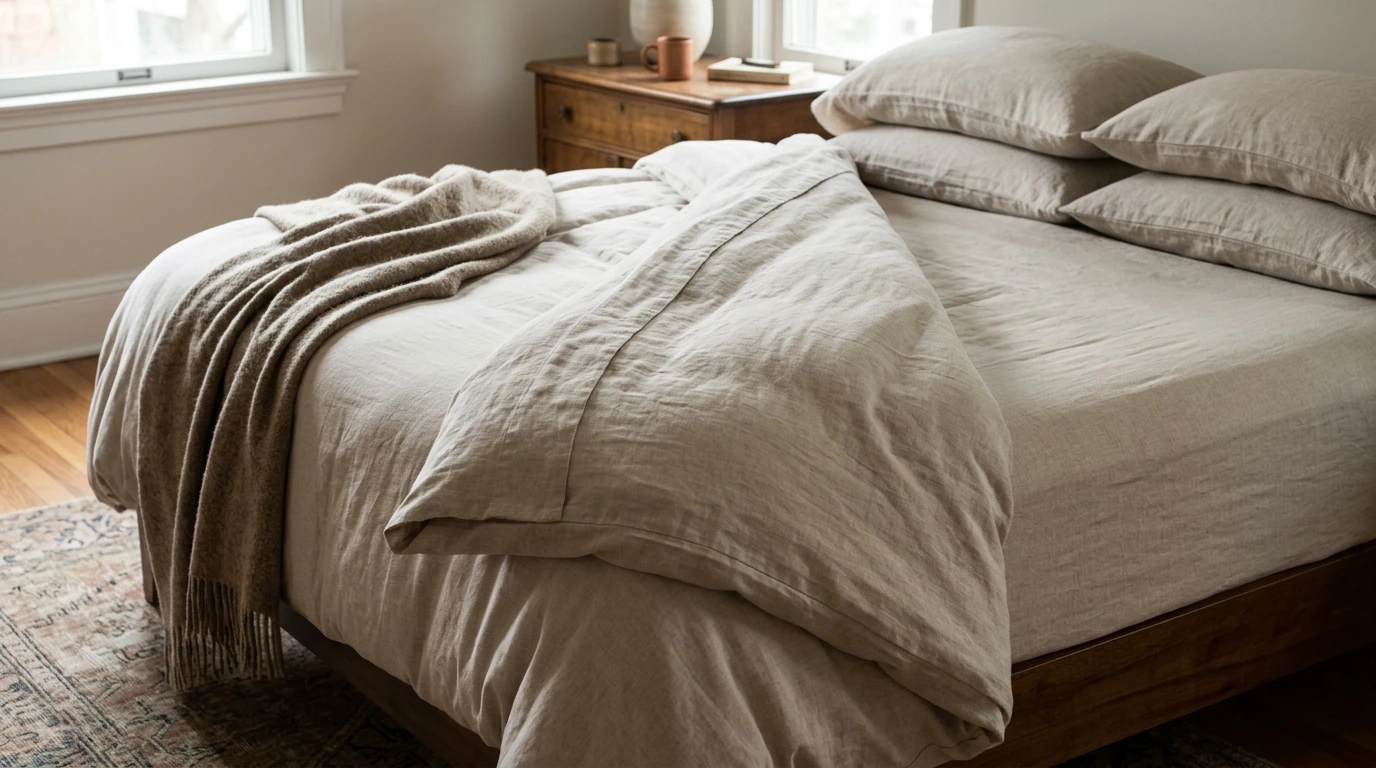
| Linen or linen blend | Medium–Low (can wrinkle) | High (cool, textured) | Low–Medium (spots show) | Low-traffic, relaxed modern looks |
| Wool or wool blend | Medium–High | Medium (warm) | Medium (often naturally resilient) | Cozy spaces, cooler climates |
| Velvet (pile fabric) | Medium | High (plush) | Medium (can mark; careful cleaning) | Statement sofas, formal seating |
| Leather (quality varies) | High | Medium (temperature-sensitive) | High (wipeable; scratches possible) | Classic styles, easy wipe-down needs |
Durability matters, but comfort is what makes a sofa a favorite spot. Fabric changes the whole experience—temperature, friction, softness, even sound.
Trends come and go, but a few smart style moves keep a sofa looking current even as decor evolves.
If you’re updating the whole living room, pairing a new sofa with streamlined storage can keep the space feeling intentional. The Modern Nordic TV Stand and Storage Dresser works well with both warm, textured fabrics and cleaner, tailored upholstery looks.
For leather-specific care and quality context, the American Leather Chemists Association is a helpful standards-oriented resource.
Durability depends on the fabric’s construction and abrasion rating, not just the fiber name. Performance fabrics and tightly woven synthetics often excel in family rooms because they combine strong wear resistance with easier stain cleanup.
It can be, but results vary by pile and construction. Some velvets resist snags better than expected, while others show pet hair or pressure shading quickly—testing swatches (including a vacuum pass) is the safest approach.
They measure how well a fabric resists surface wear under standardized rubbing tests, so higher numbers generally signal better wear potential. Real-life performance still depends on weave tightness, finishing, sunlight exposure, and how consistently the sofa is cleaned and maintained.









Leave a comment